
Introduction: Beyond the Stitch – Why Embroidery is a Game-Changer for Apparel
Clothing is less material than we think. They are a blank state for your story as a brand. Embroidery on clothing provides a shift of that canvas, transforming something simple into one of high value and statement.
Unlike printing, which sicks on top of the surface, embroidery is an art form stitched directly into fabric. This quality makes it a top-of-the-line product that is popular for its texture, visual depth, and long-lasting durability.
With two decades of working in the field putting our clothes together, we’ve seen exactly what makes a great garment unforgettable: the right embroidery. It’s what separates the hoodie that sells from the one that gains a legion of devoted followers.
This list will depict 14 types of embroidery. We’ll offer expert tips on how to choose the right method for you, and we’ll use precision and quality to execute your brand’s vision.
An In-Depth Look: 14 Essential Clothing Embroidery Types for Modern Brands
Embroidery has been used for embellishment and ornamentation for long history of embroidery ( is) workAnyone who is at all familiar with embroidery, or who has done any embroidering themselves abroadhistoric of this art will readily admit that its history stretches far back into dim antiquity. “In today’s world, with modern machines, there are hundreds of styles and they all work to give you a different look for a clothing brand. Here, we dissect 14 essential techniques.
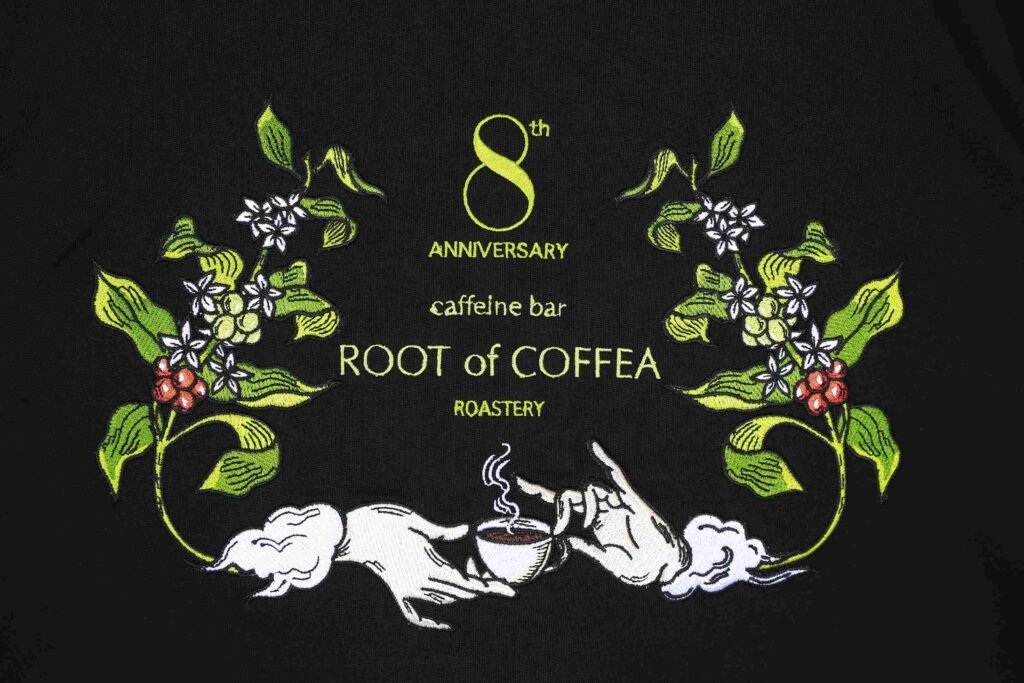
1. Flat Embroidery
- Process Overview: This is the most basic embroidery technique. Designs are stitched directly onto the fabric using two main stitch types: satin stitches for borders and text, and fill stitches for covering larger areas.
- Pros & Cons:
- Pros: Clean and classic look, cost-effective for most designs, versatile for detailed designs and fine text.
- Cons: Can feel flat, lacking the dimension of other techniques. Large filled areas can become stiff and heavy on lighter fabrics.
Best Suited For: Almost any stable fabric, including cotton, denim, twill, and polyester blends. Perfect for company logos on polo shirts, detailed text on sweatshirts, and general apparel branding.
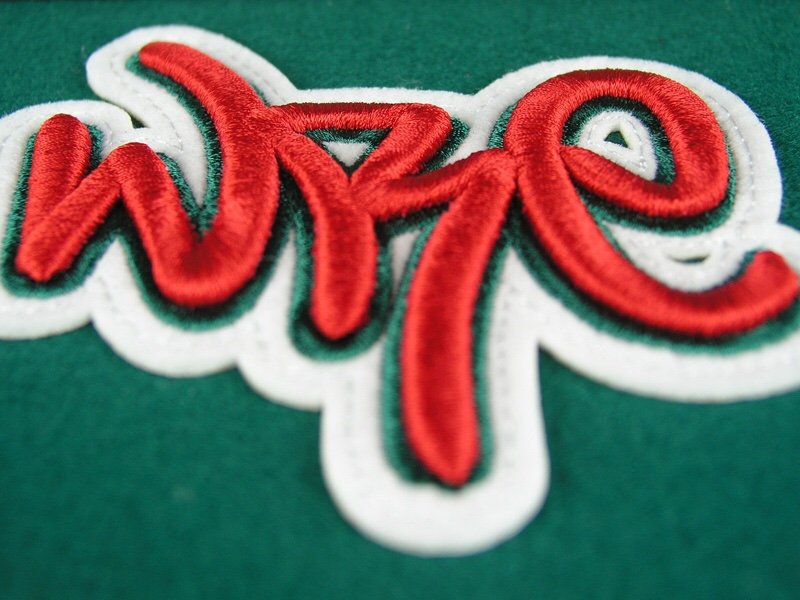
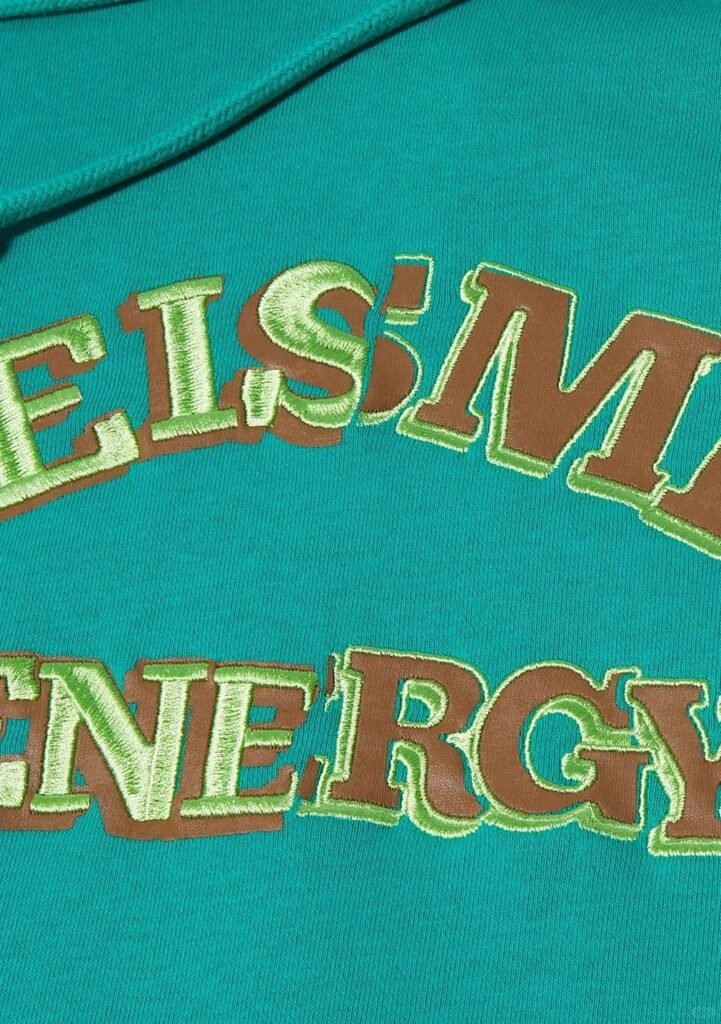
2. 3D Puff Embroidery (Embroidery 3d)
- Process Overview: A layer of foam is placed on the garment before the embroidery process begins. The machine then stitches over the foam at a high density, cutting the foam and creating a raised, three-dimensional effect.
- Pros & Cons:
- Pros: High-impact visual pop, adds a premium feel, makes logos and designs literally stand out.
- Cons: More expensive due to materials and process, not suitable for fine details or small text, can be damaged if not cared for properly.
Best Suited For: Thicker, stable fabrics like heavyweight cotton fleece, denim, and twill. It’s the go-to choice for baseball caps, varsity jackets, and bold logos on hoodies.
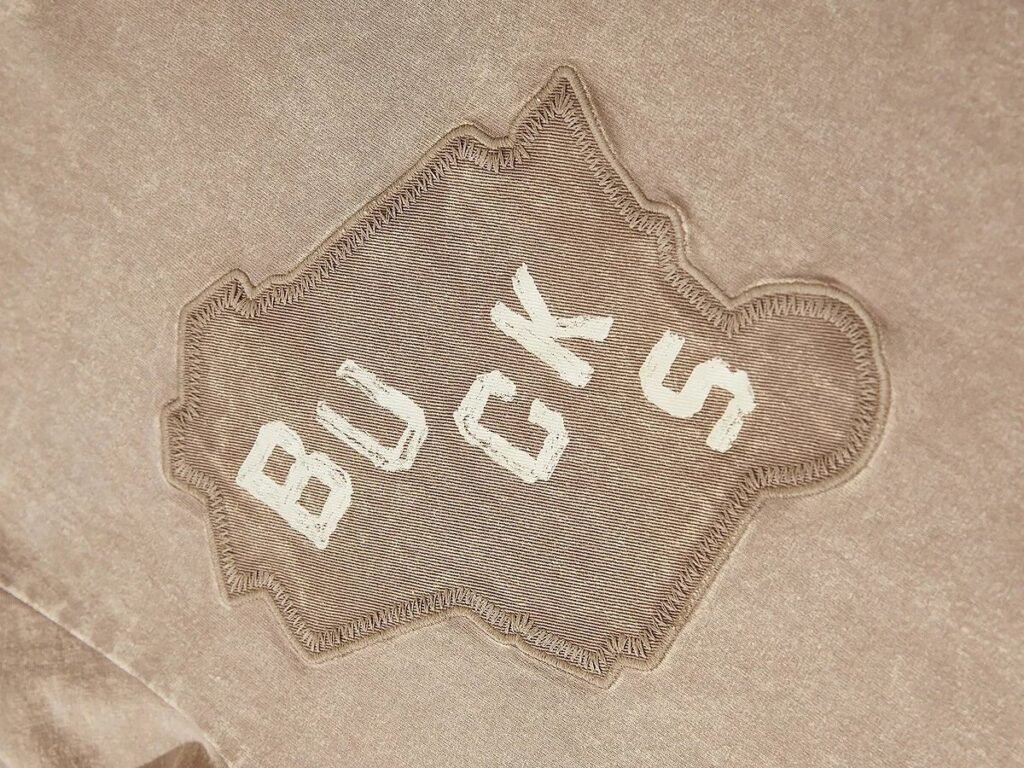
3. Appliqué Embroidery (Embroidery Applique)
- Process Overview: This technique involves stitching a separate piece of cut fabric (the appliqué) onto the garment. A satin stitch border is typically used to secure the edges and provide a clean finish.
- Pros & Cons:
- Pros: Cost-effective for covering large areas, reduces the overall stitch count and production time, allows for mixing materials and textures (like felt on fleece).
- Cons: Edges can fray over time if not stitched with high quality, design complexity is limited by the shape that can be cut from the appliqué fabric.
Best Suited For: A wide range of fabrics. It’s famously used for college lettering on sweatshirts, large character designs on children’s clothing, and decorative panels on jackets.

4. Chenille Embroidery (Embroidery Towel)
- Process Overview: Created using a special machine, chenille embroidery forms yarn into unique, dense loops on the fabric’s surface. The result is a soft, fuzzy texture similar to a carpet or towel, hence the nickname “towel embroidery.”
- Pros & Cons:
- Pros: Unique and highly textural retro feel, soft to the touch, provides excellent visual weight.
- Cons: Not suitable for fine details, can feel bulky, requires special equipment, making it more costly.
Best Suited For: Heavier fabrics that can support the weight, such as wool, felt, and heavy fleece. It’s the classic choice for varsity jacket letters and mascot patches.
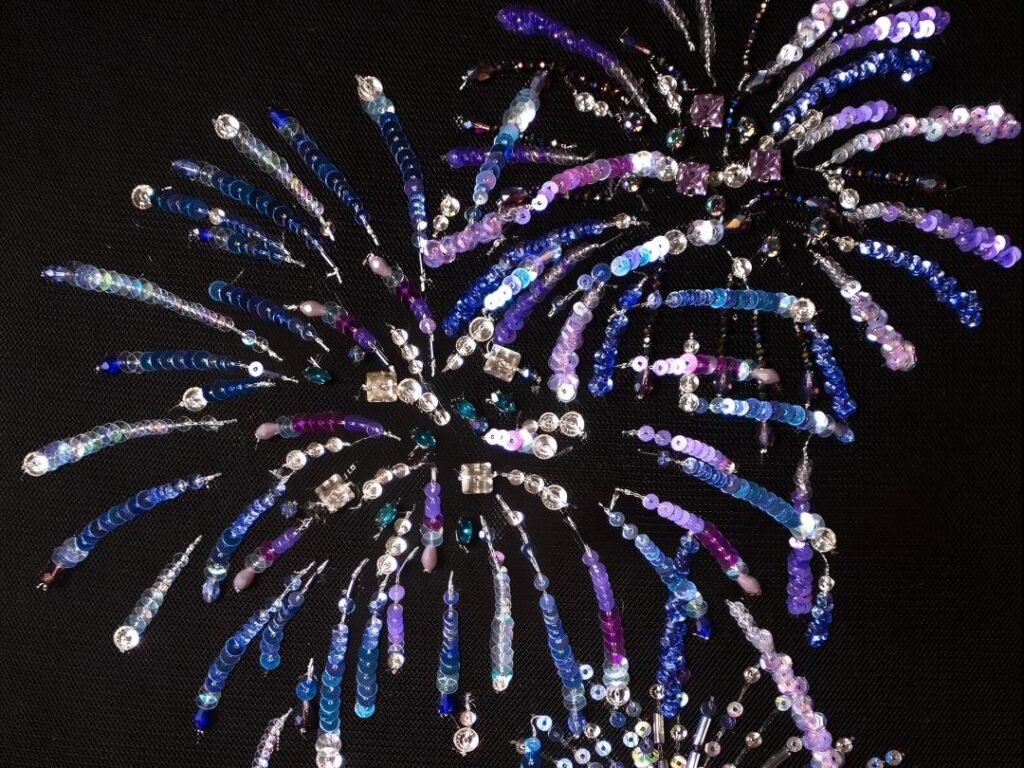
5. Sequin Embroidery
- Process Overview: An automated machine stitches spools of sequins—small, sparkling discs—onto the fabric. The sequins are fed and stitched in place one by one to create glamorous, light-catching designs.
- Pros & Cons:
- Pros: Extremely eye-catching and high-impact, adds a sense of luxury and glamour.
- Cons: Delicate and not suitable for rough wear, sequins can fall off with improper washing, adds significant cost.
Best Suited For: Stable fabrics that don’t stretch too much, like denim, satin, or stable knits. Ideal for high-fashion tops, dresses, and statement pieces.
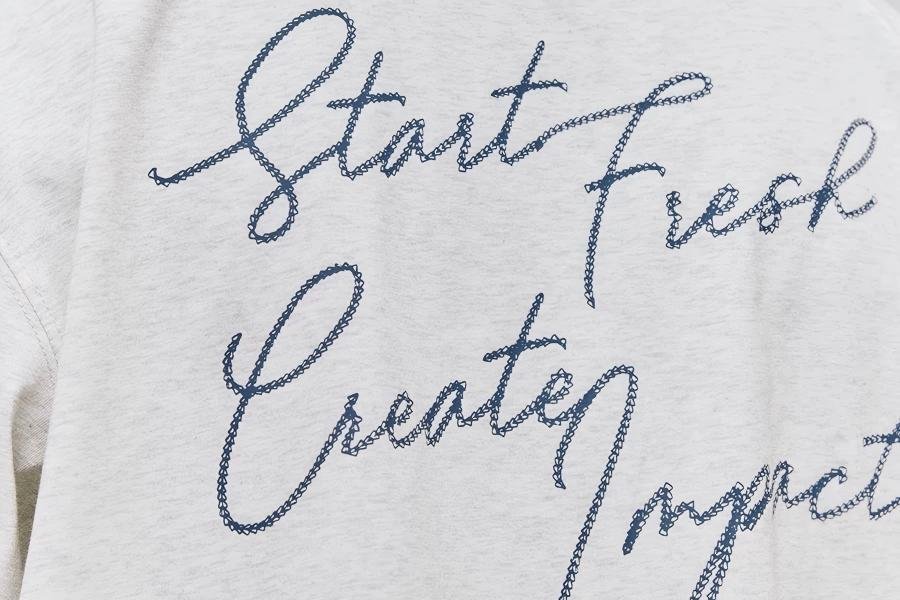
6. Chain Stitch Embroidery
- Process Overview: This technique creates a series of looped stitches that form a chain-like line. It produces a textured, rope-like appearance that adds dimension and a vintage, handcrafted feel to outlines and lettering.
- Pros & Cons:
- Pros: Unique textured look, more flexible than a dense satin stitch, excellent for script lettering and outlines.
- Cons: Can be more time-consuming in mass production, a broken stitch can potentially cause a section to unravel if not secured properly.
Best Suited For: Sturdy fabrics like denim, felt, and heavy cotton. Popular for script on the back of vintage-style jackets and western wear.
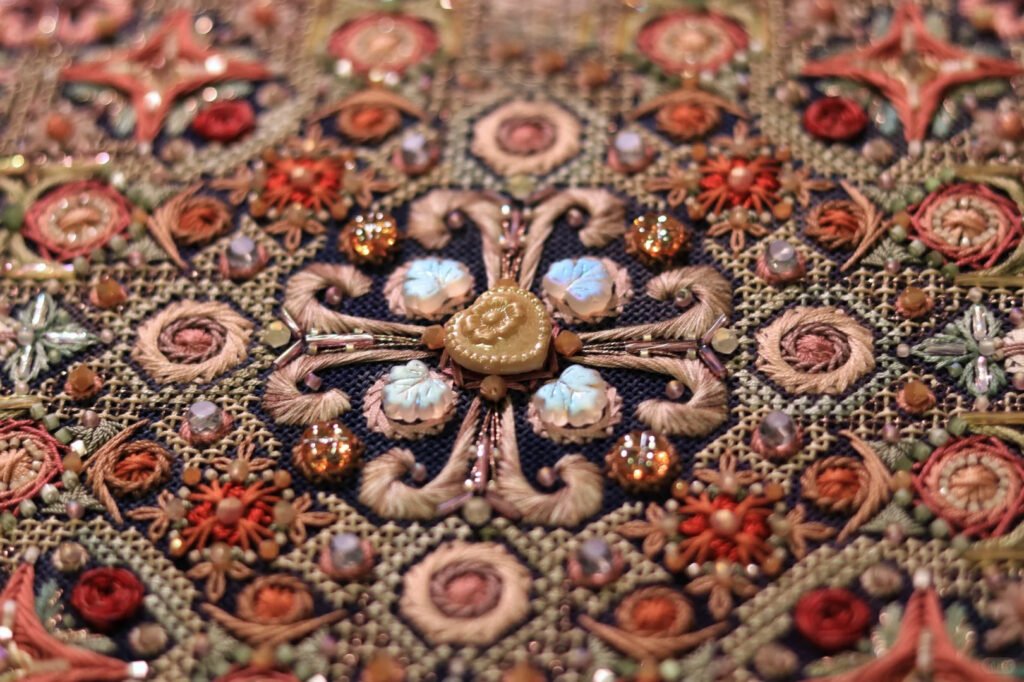
7. Cross Stitch Embroidery
- Process Overview: A classic form of counted-thread embroidery, cross-stitch uses X-shaped stitches to form a picture, similar to a pixelated image. While traditionally done by hand, it can be replicated by machine for a specific, stylized look. Cross-stitch is a historical embroidery technique with roots in global folk art.
- Pros & Cons:
- Pros: Creates a distinct, handmade, and retro-digital look.
- Cons: Extremely high stitch count and time-consuming, not effective for smooth color fills or gradients.
Best Suited For: Even-weave fabrics like linen or Aida cloth, but can be applied to standard cotton for folk-style designs on T-shirts and tote bags.
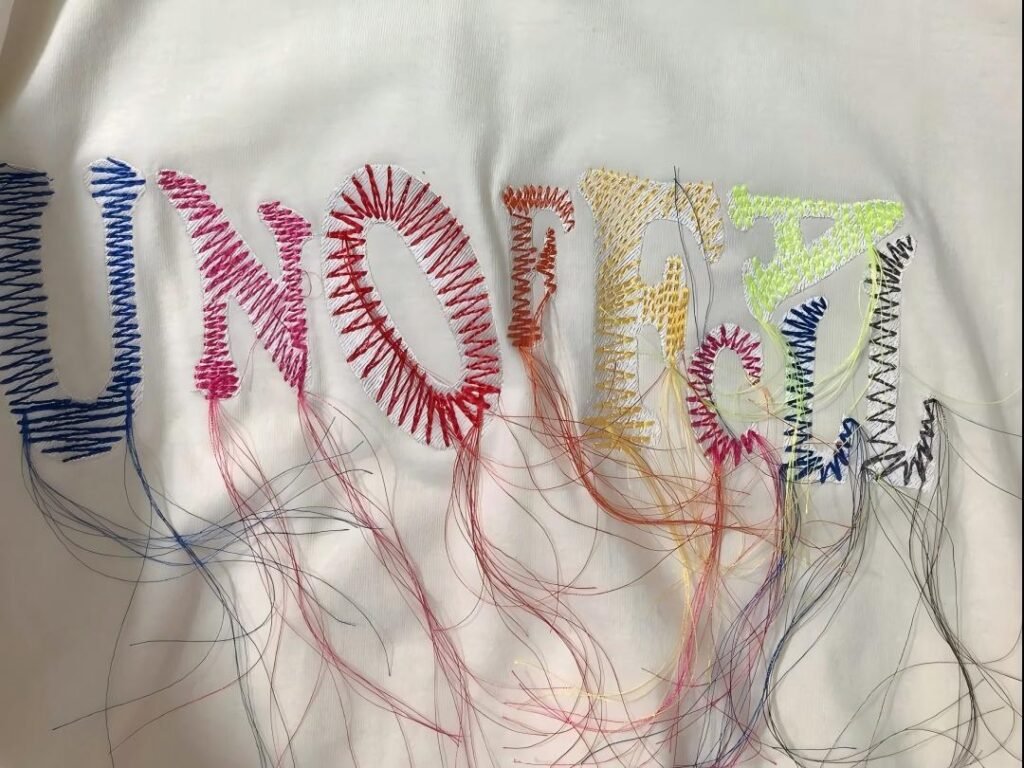
8. Tassel Embroidery (Embroidery Tassel)
- Process Overview: This decorative technique involves stitching threads in such a way that long, loose ends are created. These ends are then bundled and cut to form tassels directly on the garment, adding a three-dimensional and playful element.
- Pros & Cons:
- Pros: Adds 3D texture, movement, and a bohemian or artisanal feel.
- Cons: Tassels can easily get tangled or damaged during wear and washing, requires careful design placement.
Best Suited For: Fashion items and outerwear where durability is less of a concern, such as jacket hems, scarves, and decorative pillows.

9. Custom Embroidery Logo Patch
- Process Overview: The design is embroidered onto a piece of backing material (like twill or felt) first. The finished emblem is then cut out to create a patch, which is applied to the final garment by either sewing it on or using a heat-press adhesive.
- Pros & Cons:
- Pros: Extremely versatile, can be produced in bulk and applied to various items later, allows for 100% embroidery coverage and very sharp details. Sewn-on patches are highly durable.
- Cons: Application adds an extra production step. Iron-on patches are less durable than their sewn-on counterparts.
Best Suited For: Virtually any garment. Perfect for branding on outerw

10. Ribbon Embroidery
- Process Overview: This highly decorative technique uses thin silk or synthetic ribbon in place of standard embroidery thread. The wide ribbon creates full, realistic 3D elements, particularly for floral motifs.
- Pros & Cons:
- Pros: Creates beautiful, lifelike textures, adds a delicate and high-end artisanal touch.
- Cons: Very delicate and not suitable for machine washing, requires highly specialized skills or machinery, making it impractical for most commercial apparel.
Best Suited For: Couture, bridal wear, and decorative art pieces. It is not recommended for streetwear or everyday clothing.

11. Rope Embroidery
- Process Overview: A thick cord or “rope” is laid onto the surface of the fabric and stitched into place, typically using a couching stitch that tacks it down. This creates bold, sculptural, and highly defined raised lines.
- Pros & Cons:
- Pros: Creates a very bold, defined, and three-dimensional outline effect.
- Cons: Limited in detail and not suitable for fill areas, can be stiff, requires specific design planning.
Best Suited For: Outerwear, military-inspired apparel, and decorative pieces requiring strong, navigational lines.
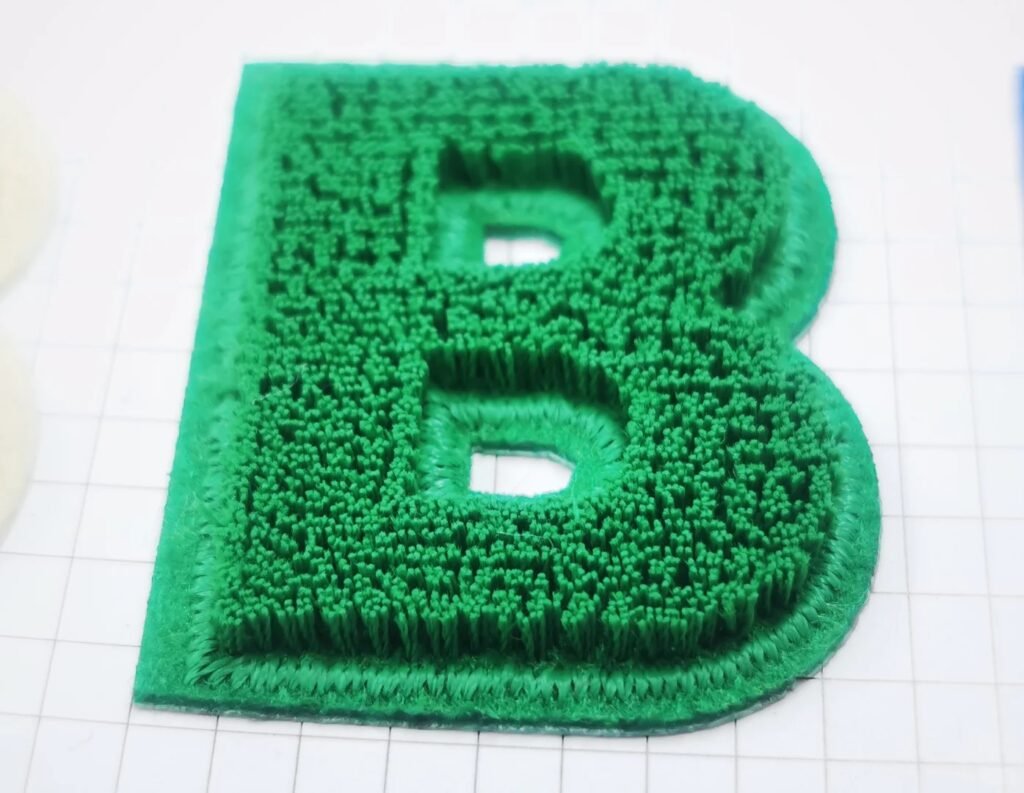
12. Toothbrush Embroidery
- Process Overview: Similar in spirit to chenille, this technique uses tall, dense loops of thread. After stitching, the tops of the loops are cut, creating a bristly, upright texture that resembles the bristles of a toothbrush.
- Pros & Cons:
- Pros: Creates a unique and aggressive 3D texture, very tactile and eye-catching.
- Cons: Requires specialized machines, can be bulky, and is not suitable for fine details.
Best Suited For: Streetwear hoodies, hats, and statement pieces where a distinct and unconventional texture is the primary goal.
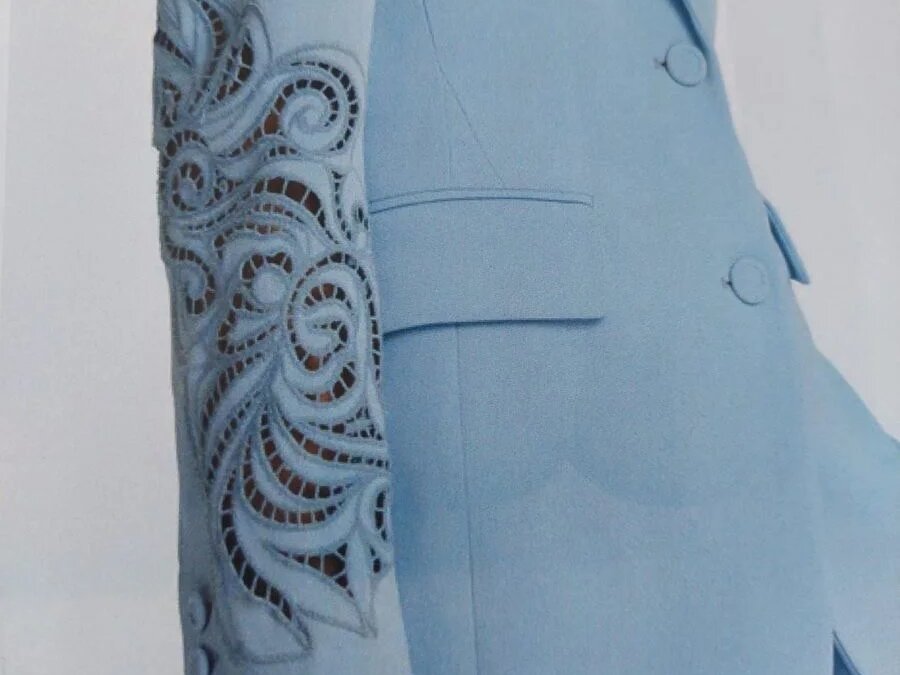
13. Eyelet Embroidery
- Process Overview: Eyelet involves cutting small holes into the fabric and then securing the edges with overcast or buttonhole stitches. When arranged in patterns, this creates a light, breathable, and decorative lace-like effect.
- Pros & Cons:
- Pros: Creates an airy, delicate, and classic pattern, perfect for summer garments.
- Cons: Intentionally weakens the fabric structure, only suitable for specific aesthetics, works best on a limited range of fabrics.
Best Suited For: Lightweight, woven fabrics like cotton and linen. Popular for summer dresses, blouses, and traditional children’s clothing.
Custom Clothing Embroidery Solutions: For All Your Brand Needs
For apparel brands, we offer a wide range of custom embroidery solutions and highly personalized details tailored to your specific branding requirements. With our extensive selection of fabrics, expert embroidery craftsmanship, garment accessories, personalized labels, and custom packaging options, you can create clothing pieces that truly reflect your brand’s identity. Our goal is to help you achieve a distinctive product that resonates with your customers and elevates your brand image. Understanding the importance of embroidery customization, we, as an experienced clothing manufacturer, provide comprehensive embroidery options — from logos to intricate designs — to fulfill all your brand’s specific needs.
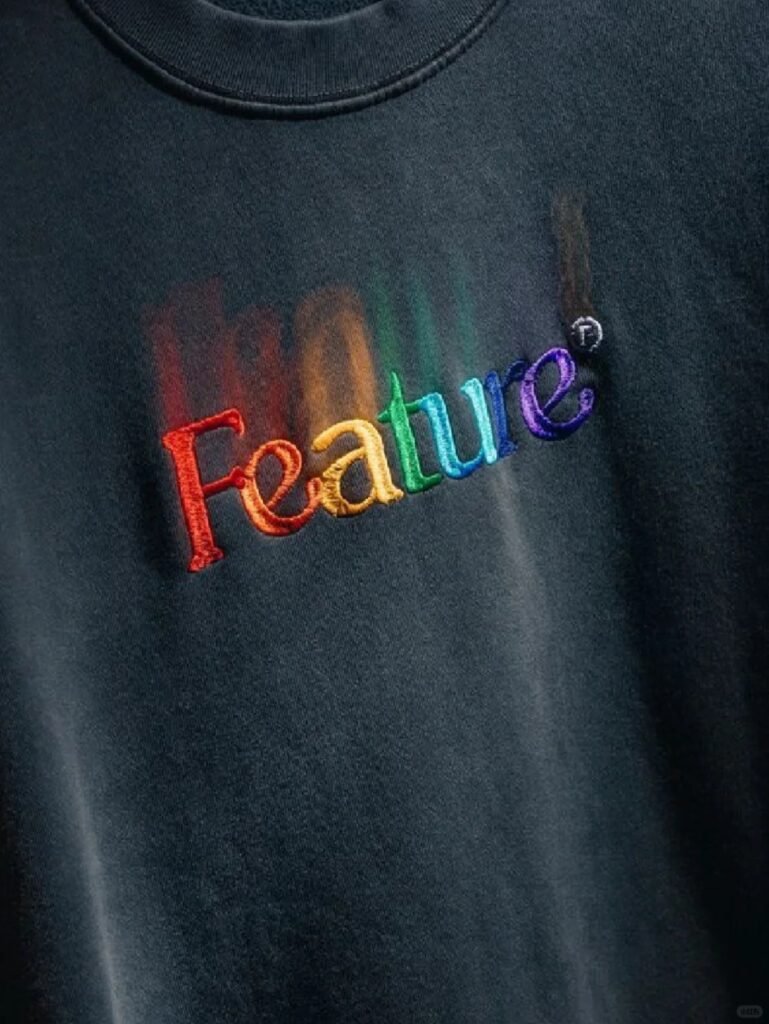
A Manufacturer's Guide: How to Prepare Your Design for Clothing Embroidery
As a creator with two plus decades of service, we have seen all sorts of designs come through our door. The best projects always start with a deep understanding of how design decisions translate into thread and fabric. Here is our insider advice.
Fabric is Everything
The first and most critical choice you need to make is your fabric. Fabric weight and stability determine what can be done. Heavily embroidered 3D puff designs require a strong backing, think heavyweight hoodie – placing on a lite weight t-shirt product will pucker and possibly rip. Begin with the fabric, and then select the embroidery.
Design Digitization is Key
Your graphic file (like a. JPG or. AI), which cannot be read by an embroidery machine. It has to be “digitized” first, which is when a technician manually takes your artwork and turns it into a stitch file. High-quality digitizing is an art. It calculates stitch directions, density, and type to guarantee your design comes out just right. Nothing will lead to a lousy result more quickly than skimping on digitization.
Simplify for Clarity
Embroidery is not printing. Very small details and smooth color gradients don’t make the jump. We’ve learned two important rules based on our own experience:
- Text Size: Any text with a height smaller than 5mm is often unreadable once stitched. For best results, use bold, clear fonts.
- Stitch Count: A typical chest logo stitch count ranges from 5,000 to 15,000 stitches, which directly impacts cost and production time. Simplifying overly complex areas reduces stitch count without sacrificing impact.
Partner with the Experts: Bring Your Vision to Life with Tuozhen Clothing
There is a lot to consider when deciding on clothing embroidery, but you don’t have to make that decision on your own. The perfect factory partner is a sherpa, leading you on your journey while remaining true to your creative soul.
What’s more, we are not a simple manufacturer at Tuozhen Clothing. We’re a network of production partners With over 27 years in the business We lead thousands of streetwear/fashion brands through end to end process, from design consultation straight to production. We guide you to choosing the right fabric, digitizing your design to perfection and performing the perfect embroidery type on your line.
Explore our past projects and learn more about our capabilities at tzstreetwear.com.
Ready to Create Exceptional Apparel?
At Tuozhen Clothing, we combine decades of expertise with cutting-edge technology to produce high-quality embroidered garments for brands worldwide. Let our team guide you in selecting and executing the perfect embroidery for your collection.
Contact us today for a free consultation:
● Direct Email: tesla@tuozhenclothing.com
● Phone Number: +8613713252727
● WhatsApp: +8613713252727

Conclusion: Your Brand, Beautifully Stitched
Apparel embroidery is a great way of creating a premium brand image. And nothing can compete with it in terms of its feel, robustness and look of value. It’s the marriage of choosing an awesome design and pairing it with the right technique to bring it to life.
Armed with the right knowledge and the perfect manufacturing partner, you’ll be designing products that not only look amazing but stand up over time. Now, it’s time to “embroider” these designs into gorgeous stitches.

Real feedback from customers all over the world about TUOZHEN Manufacturer.




Communication & Production
How to Start Working with Clothing Embroidery Manufacturer?
3X
Your order is triple checked by our team prior to production and before shipment
Request a Free Quote & Consultation
Hit us up for a free quote. We’ll discuss your requirements — design, quantity, timing — and put a plan in place that works.
Submit Your Custom Design & Requirements
- Choosing Clothing Embroidery Material
- Selecting the right Carft for the design
- Payment for samples
- Sample production after determining the color, size, and accessories of the sample
Receive Sample Prototypes for Approval
- Are the fabrics satisfactory?
- Does the craftsmanship live up to the design?
- Are there any changes that need to be made to the colors, sizes, and accessories?
- Details of large orders
Bulk Production & Delivery Process
- Payment of deposit for large orders
- Large Order Production Progress Inquiry
- Final payment upon completion of production
- Choose the right shipping method, pay the shipping fee, ship the goods
FAQ
What is the difference between flat embroidery and 3D puff embroidery?
Flat embroidery uses satin and fill stitches directly on fabric for a clean, classic look, while 3D puff embroidery uses foam underneath to create a raised, three-dimensional effect that literally stands out.
Which clothing embroidery technique is best for large designs?
Appliqué embroidery is ideal for large designs as it reduces stitch count by using a separate piece of fabric stitched onto the garment, making it more cost-effective while allowing for mixing materials and textures.
How durable are sequin embroidery designs on clothing?
Sequin embroidery is less durable than other techniques; sequins can fall off with improper washing and rough wear, making it better suited for fashion pieces rather than everyday garments.
What fabric types work best with 3D puff embroidery?
3D puff embroidery works best on thicker, stable fabrics like heavyweight cotton fleece, denim, and twill, making it ideal for baseball caps, varsity jackets, and hoodies.
Why is digitization important for clothing embroidery?
Digitization converts artwork into stitch files that embroidery machines can read, determining stitch direction, density, and type. High-quality digitizing is crucial for translating designs beautifully into embroidery.
Clothing Embroidery Manufacturer Offer
TuoZhen STREETWEAR Clothing Embroidery Manufacturer was created to provide helpful service, simple streamlined ordering & eco-friendly options. A company with transparent prices & ethics, a company that aims to create good things.
TuoZhen Clothing Embroidery Manufacturer Difference
TuoZhen was created, to provide helpful service, simple streamlined ordering & eco-friendly options. A company with transparent prices & ethics, a company who aims to create good things.
Innovative Ideas
TuoZhen is proud to be a leading partner in the promotional products + fashion industry. With unique ideas + out of the box printing methods.
We Stand Behind Our Work
Our main goal is to provide peace of mind so you can relax and have confidence that your job will come out exactly as you had imagined.
Quality Over Quantity
TuoZhen believes in quality over quantity and we want our customers to feel the same way.
Dedicated Reps
Each account receives a dedicated rep who can be reached face to face by phone or via e-mail.
Long Lasting Relationships
We value all of our clients and aim to solidify long lasting & mutually beneficial relationships.