
The Ultimate Guide to Screen Printing for Apparel: From Inks to Techniques
What is Screen Printing and Why is it the Gold Standard for Custom Apparel?
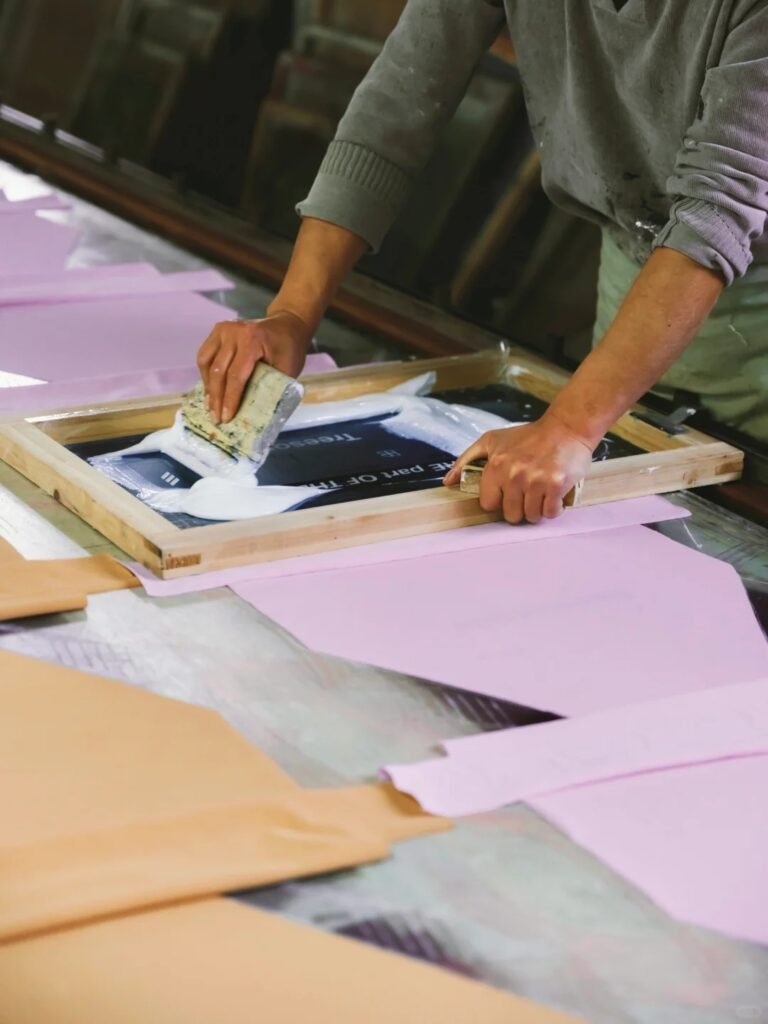
Screen printing is a printing technique that uses a woven mesh to support an ink-blocking stencil to receive a desired image. A squeegee is dragged across the screen, forcing ink through the open mesh apertures and onto the subject material while the screen is lifted.
And though it has adapted with technology, its core principles link to an ancient art form, providing it with a history of both artistic expression and commercial clout.
There’s good reason why clothing brands are admired for this approach. It is the custom apparel industry’s go-to application for excellence in three important areas.
One is its extraordinary longevity, printing that can wear longer than the garment itself. Second is that it’s second to none in terms of the vibrancy of the color you can achieve with them, bold, solid colors, ESPECIALLY on dark fabrics.
Finally for big orders, it’s better cost effective than large production. This unique mix of traits is why screen print is the clear winner when it comes to producing high quality custom apparel lines that last and scale.
A Deep Dive into 8 Essential Screen Printing Techniques for Clothing
Different types of screen printing This guide will help any clothing brand owner and help them understand screen printing methods. Ink and technique determine the look, feel and performance of the final garment.
Here, we deconstruct the eight must-know skills we rely on every day to build killer garments.
Water-Based Ink Printing
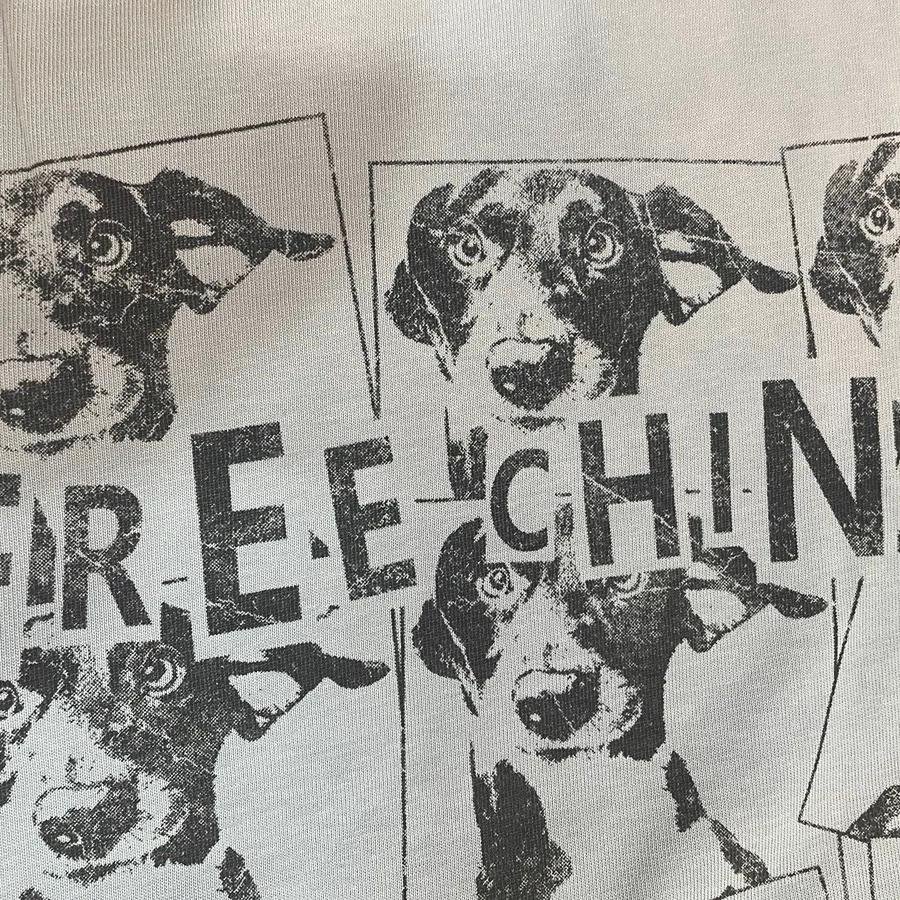
Process Overview: Water-based inks use water as their solvent base. The ink soaks into the fabric’s fibers, dyeing them directly rather than sitting on top.
This process requires careful curing to evaporate the water and set the pigments.
- Pros: Produces an extremely soft, breathable print with no feel (a “soft hand”). It’s more environmentally friendly, as it doesn’t contain plastics or PVC and cleans up with water.
- Cons: Colors can appear less vibrant on dark garments without a base layer. The ink is more see-through, and color matching can be harder than with plastisol.
- Best Suited For: Ideal for high-end fashion, vintage-style graphics, and eco-conscious brands wanting a premium, soft feel on water based screen printing t shirts.
- Fabric Compatibility: Works best on 100% cotton and other natural fiber fabrics. It is less effective on polyester or synthetic blends.
Plastisol Ink Printing
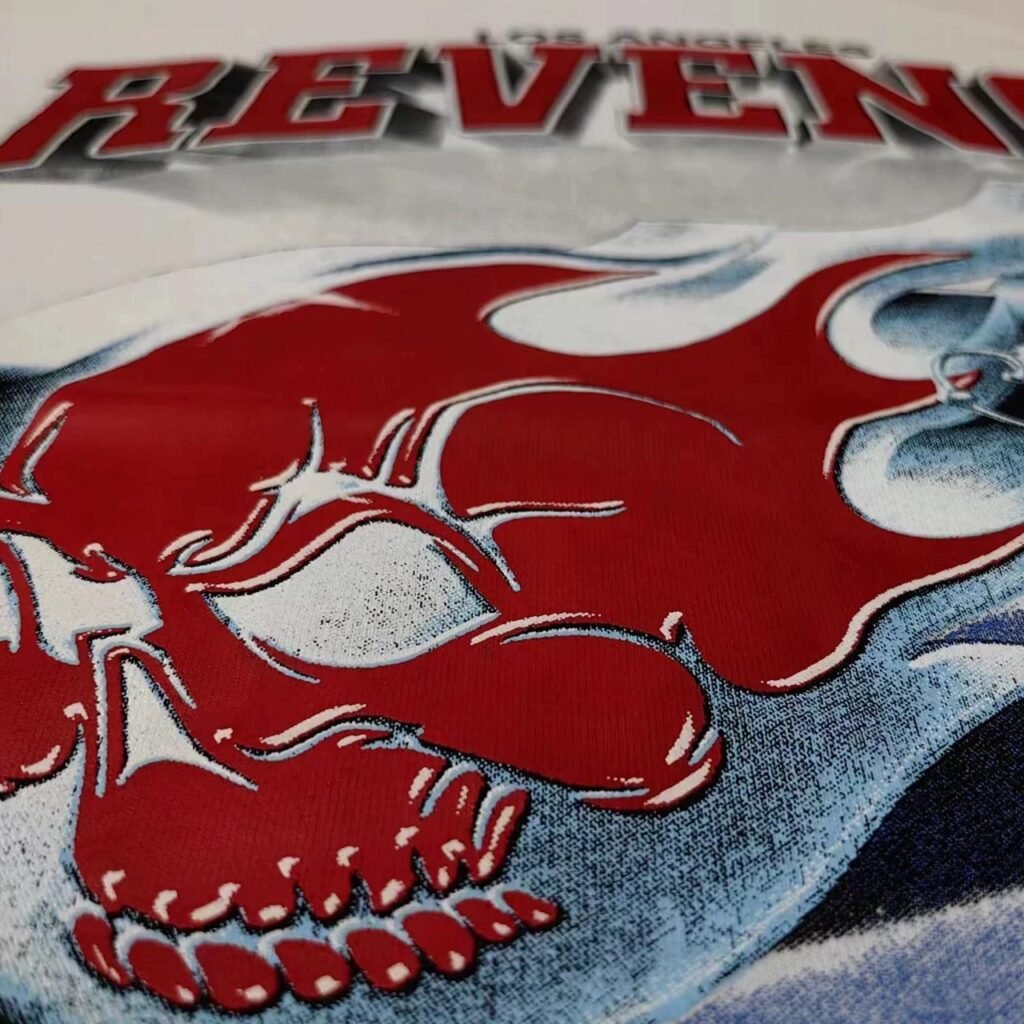
Process Overview: Plastisol is the industry’s workhorse. It is a PVC (polyvinyl chloride) based ink that doesn’t dye the fabric but rather bonds to the top.
The ink is cured with heat, causing the plastic particles to solidify into a durable, flexible layer.
- Pros: Extremely durable and versatile. It produces incredibly vibrant, opaque colors that are sharp and clear on both light and dark garments. Plastisol ink t shirt printing is highly consistent and cost-effective.
- Cons: The print has a slightly rubbery or plastic feel, sitting on top of the fabric. It is less breathable than water-based or discharge prints.
- Best Suited For: All-purpose use, including promotional apparel, band merchandise, workwear, and any design requiring bright, bold colors. Perfect for plastisol printing t shirts.
- Fabric Compatibility: Excellent on almost any fabric that can withstand the curing heat, including cotton, polyester, and cotton/poly blends.

High Density (HD) Printing
Process Overview: High Density printing uses a special, thick plastisol ink and a specific type of thick emulsion on the screen. The ink is printed in multiple layers, with a flash cure between each, to build up a sharp, tall, 3D-like graphic.
- Pros: Creates a striking, tactile 3D effect with sharp edges and a premium feel. It’s extremely durable and adds significant perceived value to a garment.
- Cons: It is a more expensive and time-consuming process. HD printing is not suitable for highly detailed or intricate designs; it works best with bold shapes and text.
- Best Suited For: Logos, simple text, and graphic elements on streetwear, hats, and premium apparel where a tactile effect on a high density print shirt is desired.
- Fabric Compatibility: Best used on heavy, stable fabrics like heavyweight cotton, fleece, and denim that can support the ink’s weight and dimension.
Puff Print (Custom Puff Print Hoodies)
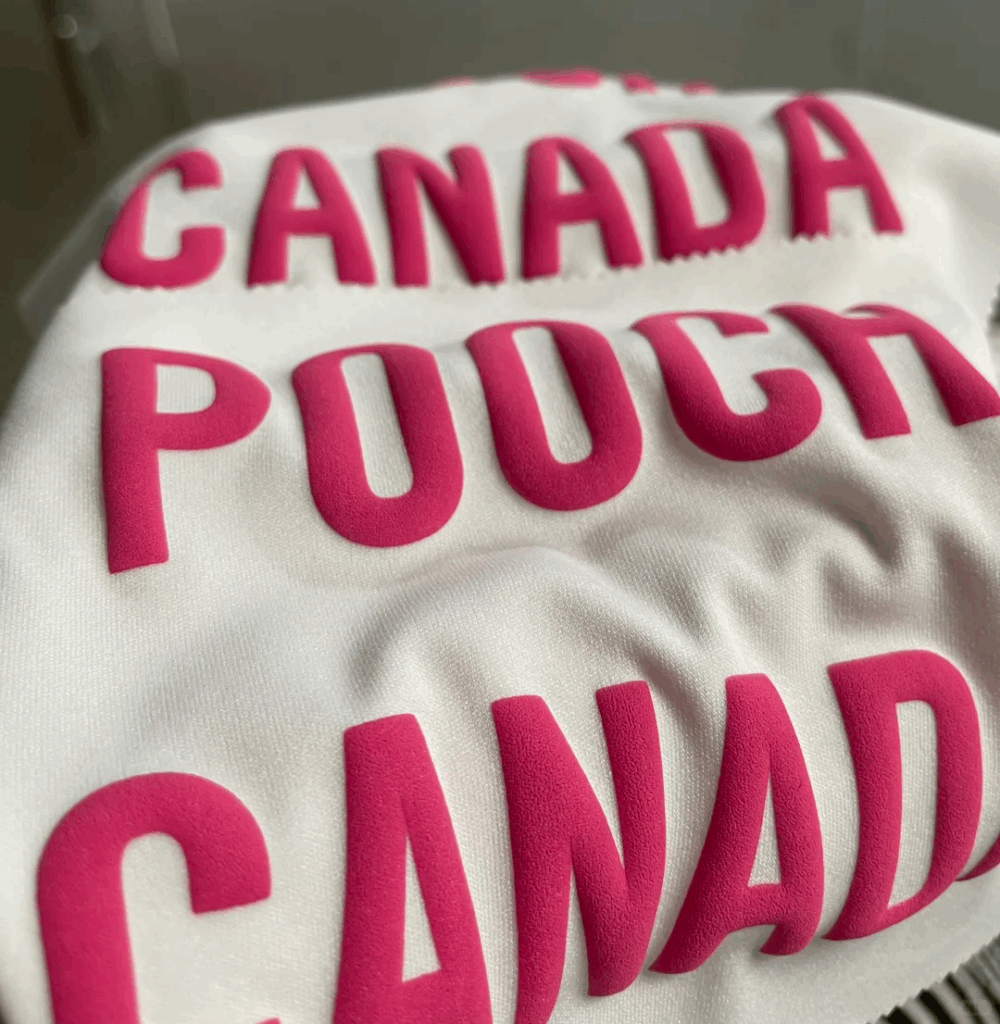
Process Overview: Puff printing starts with a special plastisol ink containing a heat-activated foaming agent. When the ink passes through the curing dryer, it expands and rises, creating a soft, puffy, 3D texture.
- Pros: Delivers a unique, raised, and soft-to-the-touch texture that is visually engaging. It’s a great way to add dimension to a design without the hardness of High Density prints.
- Cons: The detail can be less sharp than other methods, as the edges of the design will round out as it puffs. The puffed effect can flatten over time with repeated washing and wear.
- Best Suited For: Bold text, retro-inspired designs, and statement pieces. It’s particularly popular for creating custom puff print hoodie designs and streetwear graphics.
- Fabric Compatibility: Works well on cotton and cotton/poly blends, typically used for hoodies, sweatshirts, and t-shirts.
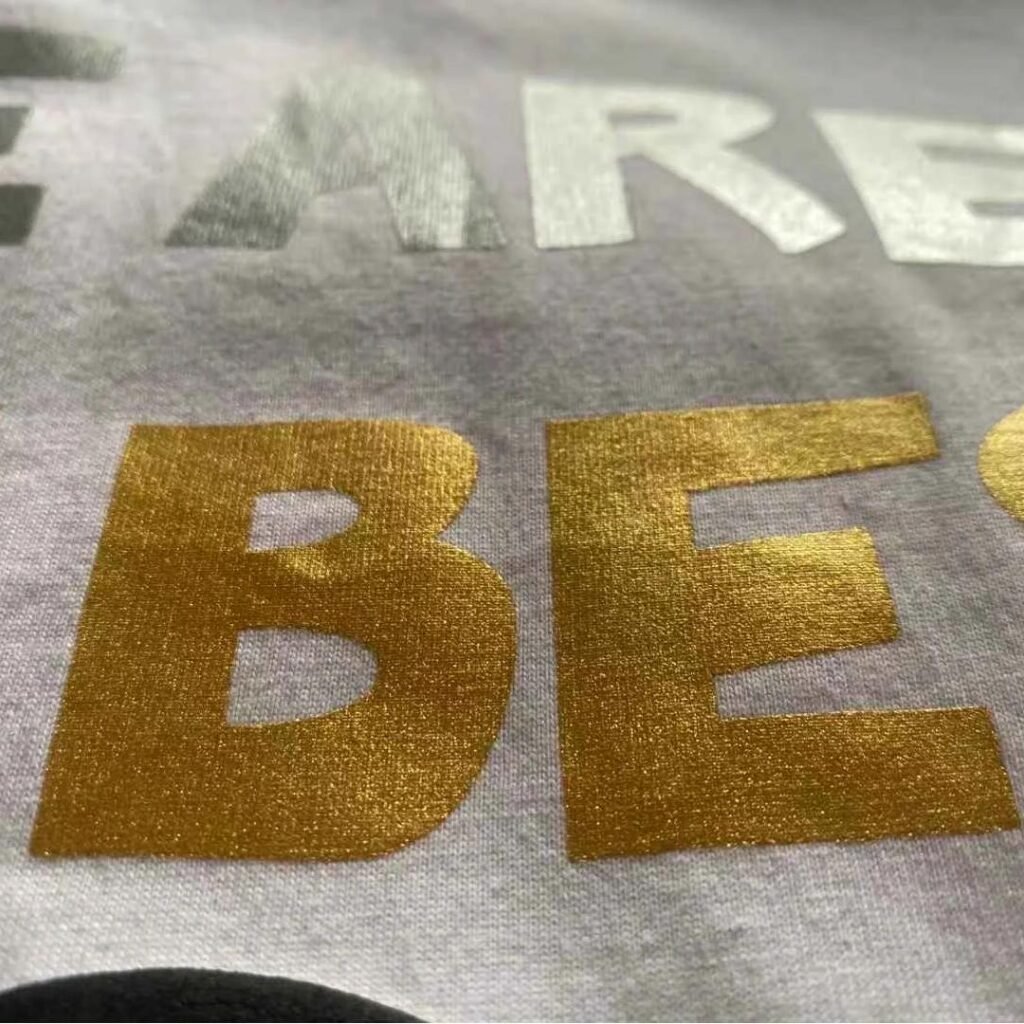
Foil Print
Process Overview: This is a two-step technique. First, a special adhesive is screen printed onto the garment in the shape of the desired design. After a quick cure, a sheet of metallic foil is placed over the adhesive and heat-pressed, bonding the foil to the adhesive permanently.
- Pros: Creates a brilliant, shiny, and metallic finish that is impossible to achieve with standard inks. It gives foil print clothing a luxurious, high-end, and eye-catching look.
- Cons: The foil finish is less durable than ink and can crack or fade with improper washing. It is not suitable for highly detailed designs and has a higher cost.
- Best Suited For: Special edition pieces, luxury apparel, and designs meant to stand out for nightlife, events, or premium branding.
- Fabric Compatibility: Adheres best to smooth cotton and cotton blends. Not recommended for heavily textured fabrics.
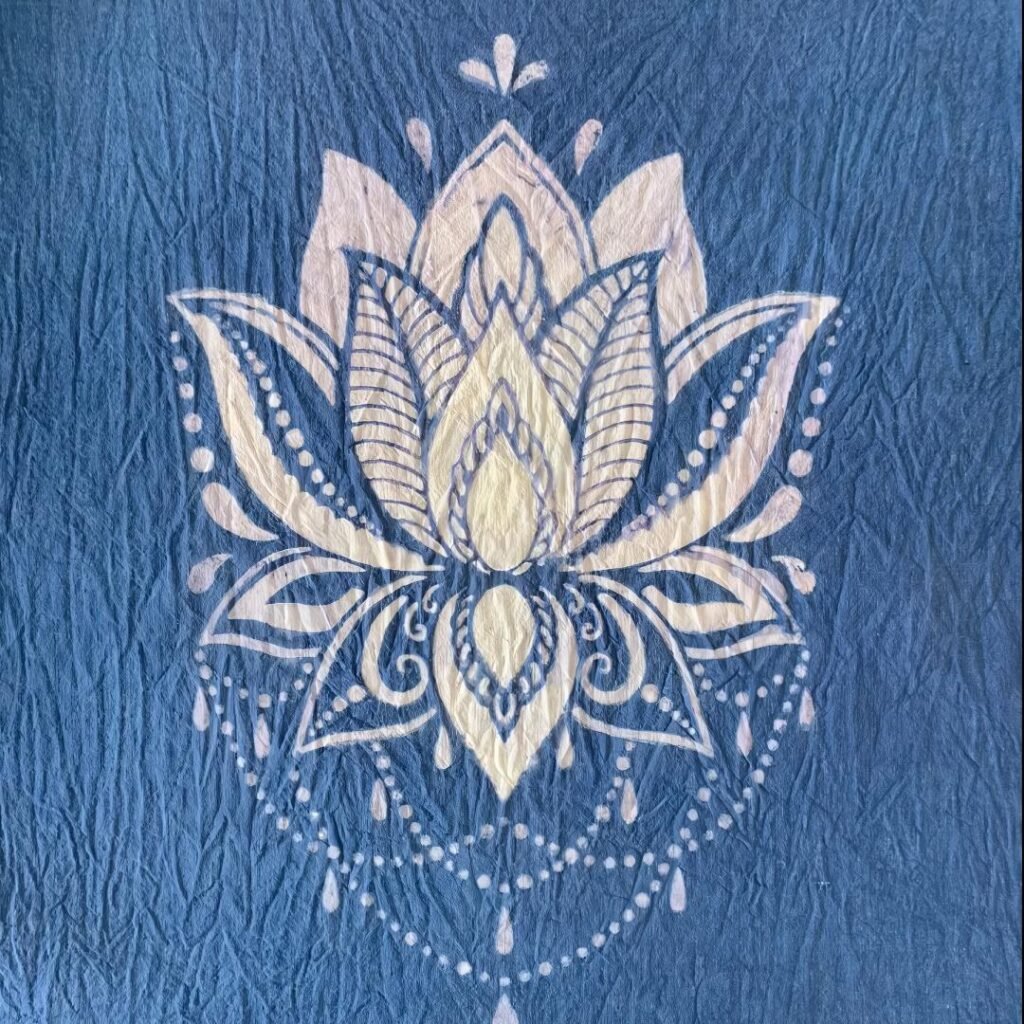
Discharge Printing
Process Overview: Discharge printing uses a special ink activated by zinc-formaldehyde sulfoxylate. Instead of laying color on top, this ink chemically removes the garment’s original dye and replaces it with the desired pigment.
This process is one of the more complex various screen printing ink systems available.
- Pros: The result is a print with zero hand-feel, as it becomes part of the fabric itself. It’s incredibly soft, breathable, and perfect for a vintage or worn-in look.
- Cons: It can only be used on 100% natural, reactive-dyed fabrics (like cotton). Color matching is less precise, as the final shade depends on the original garment dye. Some colors, like royal blue and purple, are difficult to discharge.
- Best Suited For: Premium, fashion-forward brands seeking the ultimate soft feel. A discharge t shirt printing creates a superior final product for retail.
Fabric Compatibility: Strictly for 100% cotton garments. Ineffective on polyester or other synthetics.
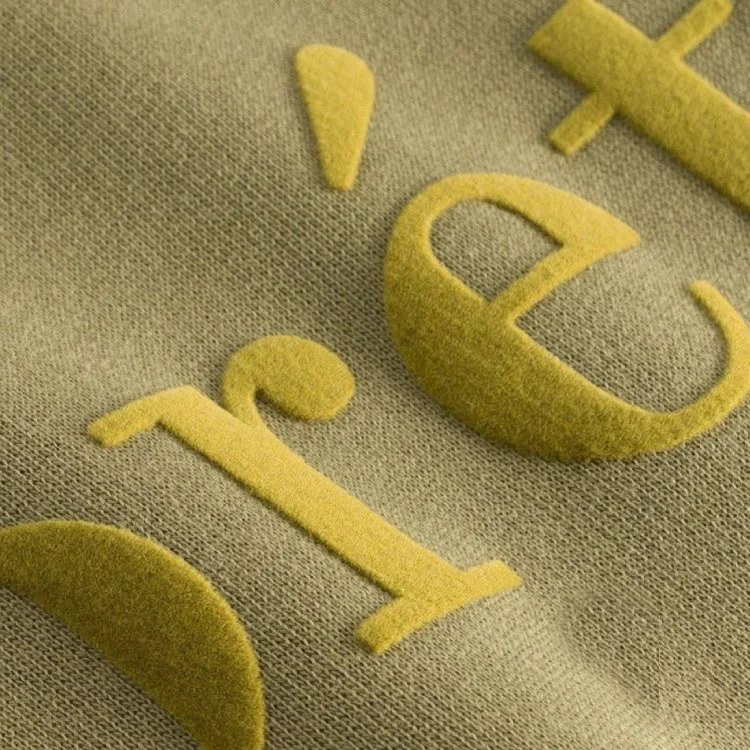
Flock Print
Process Overview: Similar to foil, this is a two-step process. A base adhesive is printed onto the garment. Then, tiny fibers (the “flock”) are shot onto the adhesive using an electrostatic charge, causing them to stand on end and embed securely, creating a dense, uniform texture.
- Pros: Produces a unique, soft, velvety, or suede-like texture. A flock print t shirt has a high perceived value and adds a retro or premium tactile dimension to a design.
- Cons: It is a more delicate and expensive process. Flock prints require careful washing (inside out, cold water) to maintain their texture and longevity.
- Best Suited For: Retro or collegiate-style designs, logos, and emblems on sweatshirts, jackets, and premium t-shirts.
- Fabric Compatibility: Adheres well to cotton, polyester, and blends. The fabric should be stable enough to support the application.
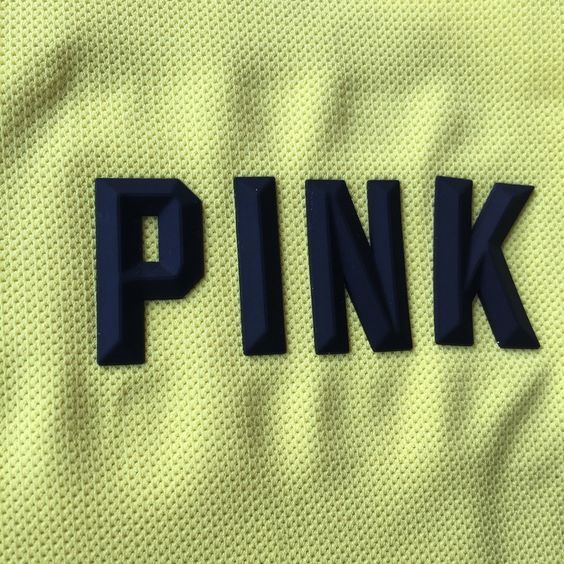
Silicone Print
Process Overview: Silicone ink is a premium-grade ink known for its incredible flexibility and durability. It’s applied similarly to plastisol but requires a catalyst and specific curing temperatures to solidify into a smooth, rubbery finish.
- Pros: Offers superior stretch and rebound, making it perfect for performance fabrics. It’s extremely durable, provides excellent grip, and has a sleek, modern, high-end feel. A silicone print t shirt is the pinnacle of performance printing.
- Cons: It is one of the most expensive printing techniques due to the cost of the ink and the specialized application process.
- Best Suited For: High-performance athletic wear, compression gear, swimwear, and any garment that requires maximum flexibility and endurance from its print.
- Fabric Compatibility: The go-to choice for polyester, spandex, Lycra, and other synthetic performance blends where other inks would crack or peel.
T shirt Manufacturer Customization Options for T shirt:For all your brand needs
For apparel brands, we offer a variety of custom T-shirt styles and highly personalized accessories tailored to your specific branding requirements. With our extensive selection of fabrics, expert craftsmanship, garment accessories, personalized labels, and custom packaging options, you can create the exact T-shirt you envision. Our goal is to help you achieve a unique product that resonates with your customers and enhances your brand identity. Understanding the importance of customization, we, as a T-shirt Manufacturer, provide comprehensive customization options to fulfill all your brand’s specific needs.
How to Choose the Right Screen Printing Technique for Your Apparel
In the 27 years we have spent specializing in apparel, we have discovered that the right decision revolves around four key components. The proper choice of technique is not just about look either, it’s about marrying the print method to the fabric of your garment, the intention of your design and your end product’s primary use.
This guarantees that the end-product not only looks fantastic, but works as desired, and delights your customer.
At-a-Glance Comparison Chart
To help you make up your mind, we’ve put together this table highlighting the pros and cons of each.
Technique | Feel/Texture | Best For (Use Case) | Durability | Cost Level |
Water-Based | Soft, Breathable | Vintage, Eco-conscious Brands | Good | $$ |
Plastisol | Smooth, slightly rubbery | All-purpose, Vibrant logos | Excellent | $ |
High Density | Sharp, 3D, Hard | Logos, Bold text, Streetwear | Excellent | $$$ |
Puff Print | Soft, Puffy, Raised | Statement pieces, Hoodies | Good | $$ |
Foil | Shiny, Smooth, Metallic | Luxury, Eye-catching details | Moderate | $$$ |
Discharge | No feel (part of fabric) | Premium/Vintage T-Shirts | Excellent | $$ |
Flock | Soft, Velvety, Fuzzy | Retro designs, Emblems | Good | $$$ |
Silicone | Smooth, Rubbery, Flexible | Performance/Athletic Wear | Superior | $$$ |
Key Factors to Consider
- Your Fabric Choice: First and foremost, this is the most critical decision. Cotton adores discharge and water-based inks, giving it a soft hand, which is something you can’t achieve with a standard plastisol print, whereas polyester and performance blends want a plastisol print that will move with the garment, or need a screenprint with some serious flex like silicone to keep everything from cracking.
- Complexity & Color Design Details: Bold, simple text, and logos pop on tactile High Density or Puff Print. On the other hand, intricate, multi-color images are matched with plastisol’s fine line and color consistency.
- Desired Hand Feel and Look: This should be influenced by your brand’s identity. Looking for a smooth, unified, premium feel? Choose discharge or water-based. Want your title in bold, 3D and touchable? Thinking puff, flock or High Density. If you want a chic, contemporary sporty look, silicone is unbeatable.
- Garment End-Use & Durability: What will your customer use this garment for? High-stretch sportswear requires the suppleness of silicone. Plastisol comes in handy even with daily wear streetwear. Promo tees are suitable for budget-friendly plasticol, where as a limited edition drop might warrant the metallic pop of foil.

Your Partner in Print: Why Choose Tuozhen Clothing
With over 27 years of experience in custom wear, we at Tuozhen Clothing aren’t printers—we’re collaborators in making your vision into reality. We know that the right print is a part of your brand’s narrative that’s just not optional.
Our focus is on quality and on-going innovation of techniques together with establishing an ongoing partnership with our clients. All Work Done Professionally All of the more advanced screen printing techniques outlined in this guide are done professionally by us, from old standard, Plastisol to new age, Silicone.
What we know lets us help you narrow down the decoration choice that’s right for your project, budget and vision. We take care of the tech so you can get on with building your brand.
Please feel free to visit our work and services at Tuozhen Clothing.
Ready to start your project? Let’s talk.
- Direct Email: tesla@tuozhenclothing.com
- Phone Number: +86 137 132 527 27
- WhatsApp: +86 137 132 527 27
Conclusion: Making the Right Impression
The fact is, screen printing is still a powerful, effective, incredibly versatile way to make custom apparel. It’s a world loaded with possibilities, from the ultra softness of vintage prints to the boldness of three-dimensional textures.
The secret of success is realising there is no best technique. Whenever you choose, it would be a mindful choice that should be determined based on your fabric, the character of your design the kind of look you are going for and for what purpose you want your garment.
With the right knowledge and a committed manufacturing partner, you can do better than slapping a logo on a damn tee. You can “Unlock Spectacular Products that Leave Lasting Impression and Define Your Brand” ~ Dennis DeCuir, SPEND MORE TIME IN THE SUNFLOWERS!
Real feedback from customers all over the world about TUOZHEN Manufacturer.









Communication & Production
How to Start Working with Screen Printing Manufacturer?
3X
Your order is triple checked by our team prior to production and before shipment
Request a Free Quote & Consultation
Hit us up for a free quote. We’ll discuss your requirements — design, quantity, timing — and put a plan in place that works.
Submit Your Custom Design & Requirements
- Choosing Screen Printing Material
- Selecting the right Carft for the design
- Payment for samples
- Sample production after determining the color, size, and accessories of the sample
Receive Sample Prototypes for Approval
- Are the fabrics satisfactory?
- Does the craftsmanship live up to the design?
- Are there any changes that need to be made to the colors, sizes, and accessories?
- Details of large orders
Bulk Production & Delivery Process
- Payment of deposit for large orders
- Large Order Production Progress Inquiry
- Final payment upon completion of production
- Choose the right shipping method, pay the shipping fee, ship the goods
FAQ
What is the most durable screen printing technique for apparel?
Silicone printing offers superior durability and flexibility, making it ideal for performance wear, while plastisol ink provides excellent durability for everyday apparel.
How does water-based screen printing differ from plastisol printing?
Water-based screen printing soaks into the fabric creating a soft, breathable print with no feel, while plastisol sits on top of the fabric creating vibrant, opaque colors with a slightly rubbery texture.
Which screen printing technique is best for dark fabrics?
Plastisol ink printing is ideal for dark fabrics as it produces vibrant, opaque colors that stand out, while discharge printing can create soft prints by removing the original dye.
How much does professional screen printing cost in 2025?
Screen printing costs vary by technique, with plastisol being the most cost-effective ($), while specialty techniques like silicone, high density, and foil printing are more premium ($$$).
What screen printing technique should I choose for eco-friendly apparel in 2025?
- Water-based screen printing is the most environmentally friendly option as it doesn’t contain plastics or PVC, cleans up with water, and creates breathable prints ideal for eco-conscious brands.
Screen Printing Manufacturer Offer
TuoZhen STREETWEAR Screen Printing Manufacturer was created to provide helpful service, simple streamlined ordering & eco-friendly options. A company with transparent prices & ethics, a company that aims to create good things.
TuoZhen Screen Printing Manufacturer Difference
TuoZhen was created, to provide helpful service, simple streamlined ordering & eco-friendly options. A company with transparent prices & ethics, a company who aims to create good things.
Innovative Ideas
TuoZhen is proud to be a leading partner in the promotional products + fashion industry. With unique ideas + out of the box printing methods.
We Stand Behind Our Work
Our main goal is to provide peace of mind so you can relax and have confidence that your job will come out exactly as you had imagined.
Quality Over Quantity
TuoZhen believes in quality over quantity and we want our customers to feel the same way.
Dedicated Reps
Each account receives a dedicated rep who can be reached face to face by phone or via e-mail.
Long Lasting Relationships
We value all of our clients and aim to solidify long lasting & mutually beneficial relationships.