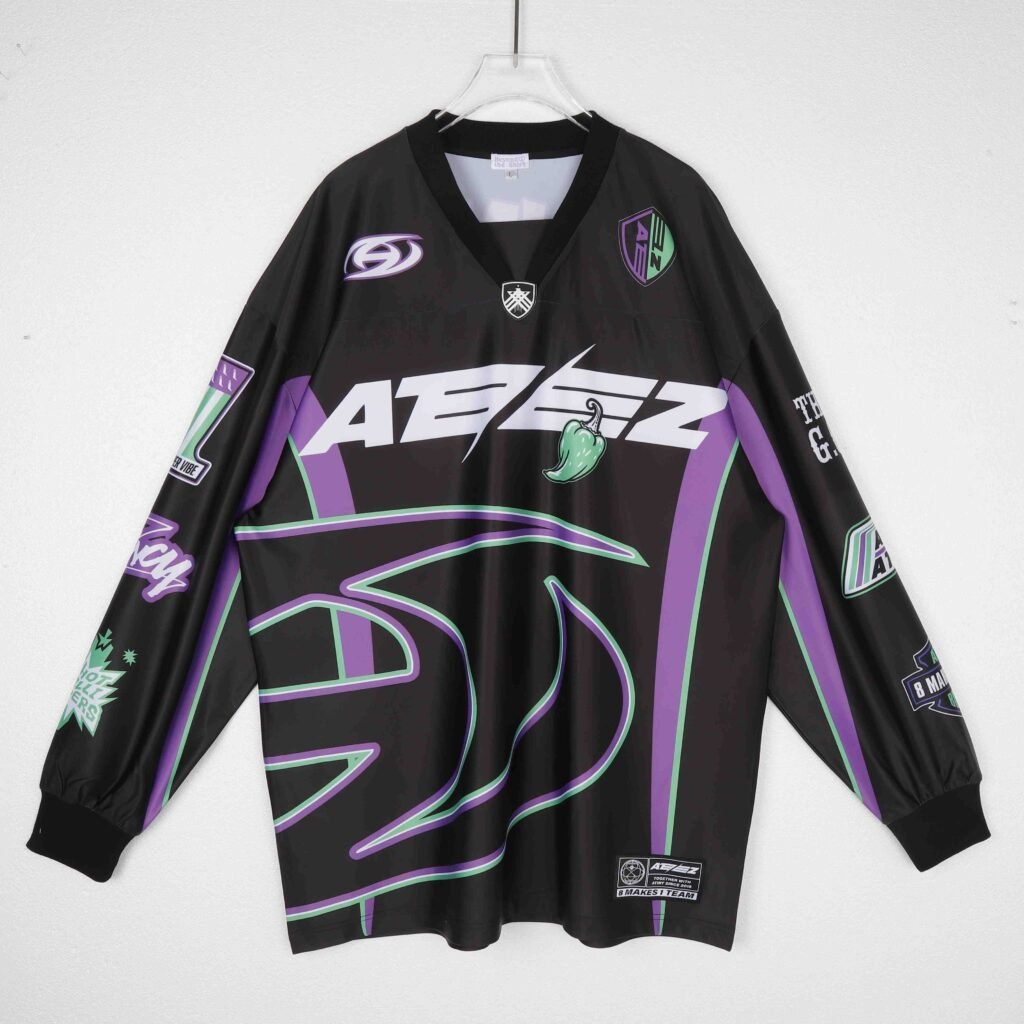
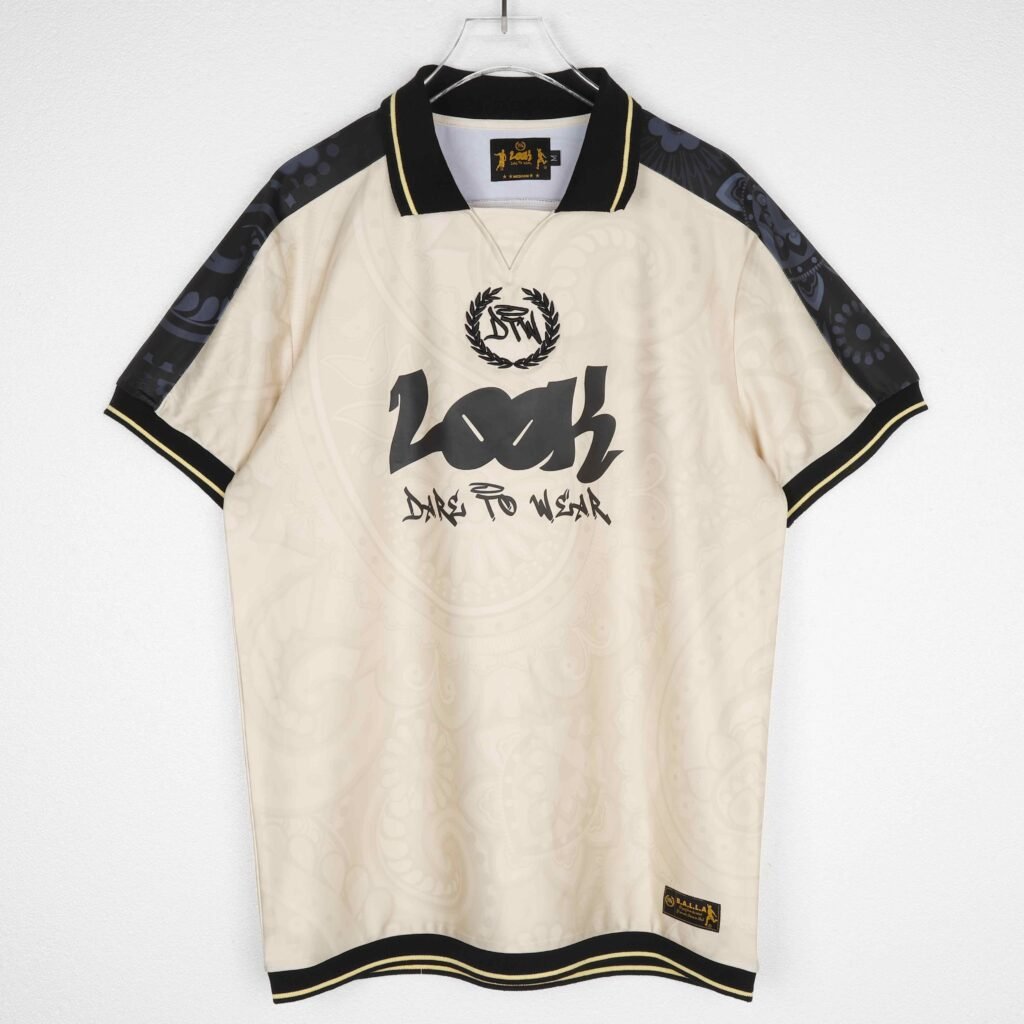
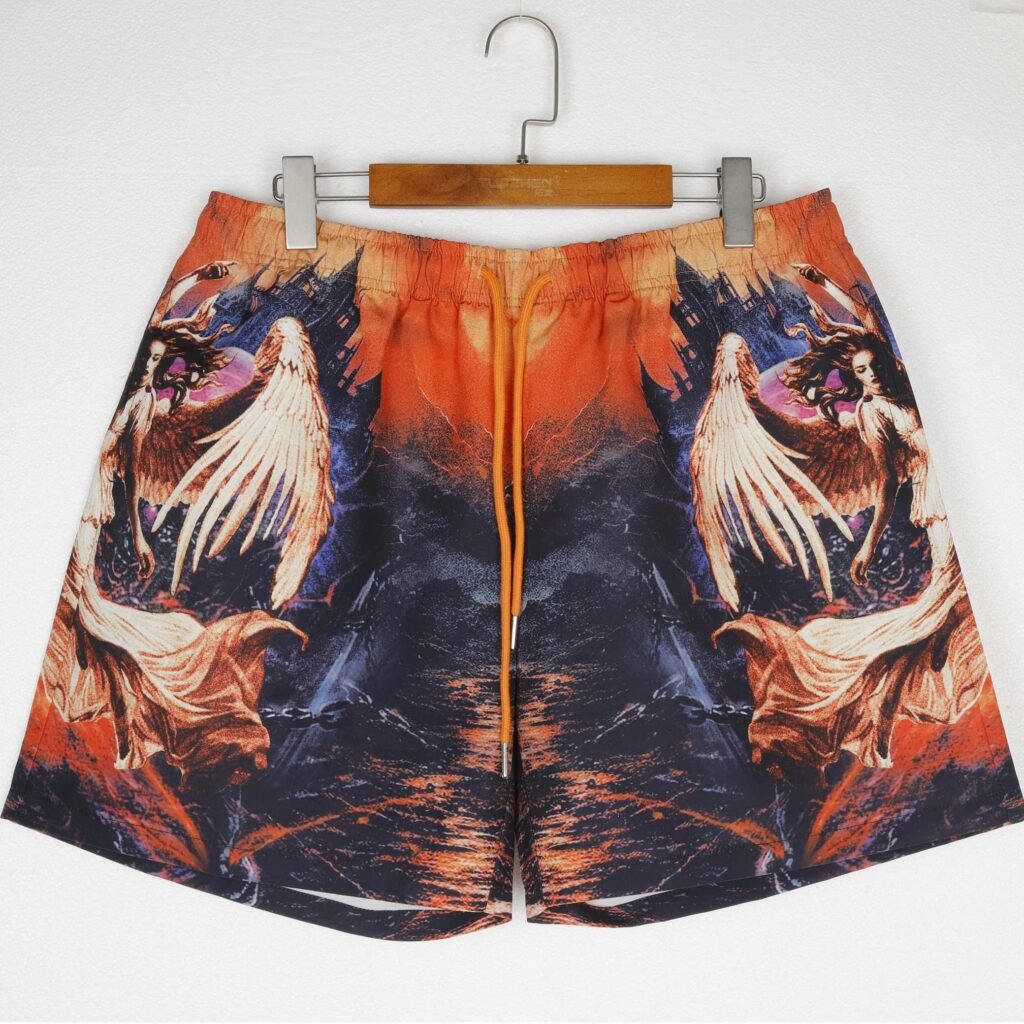
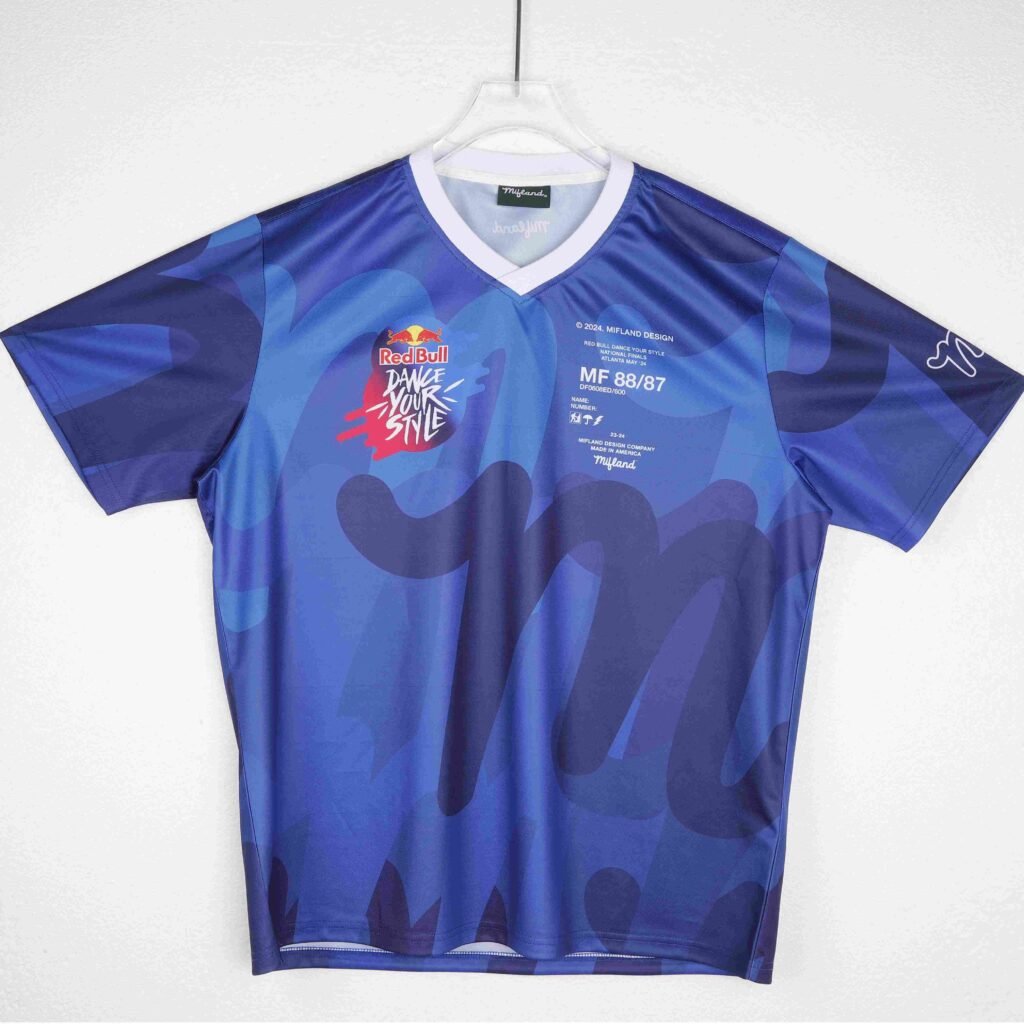
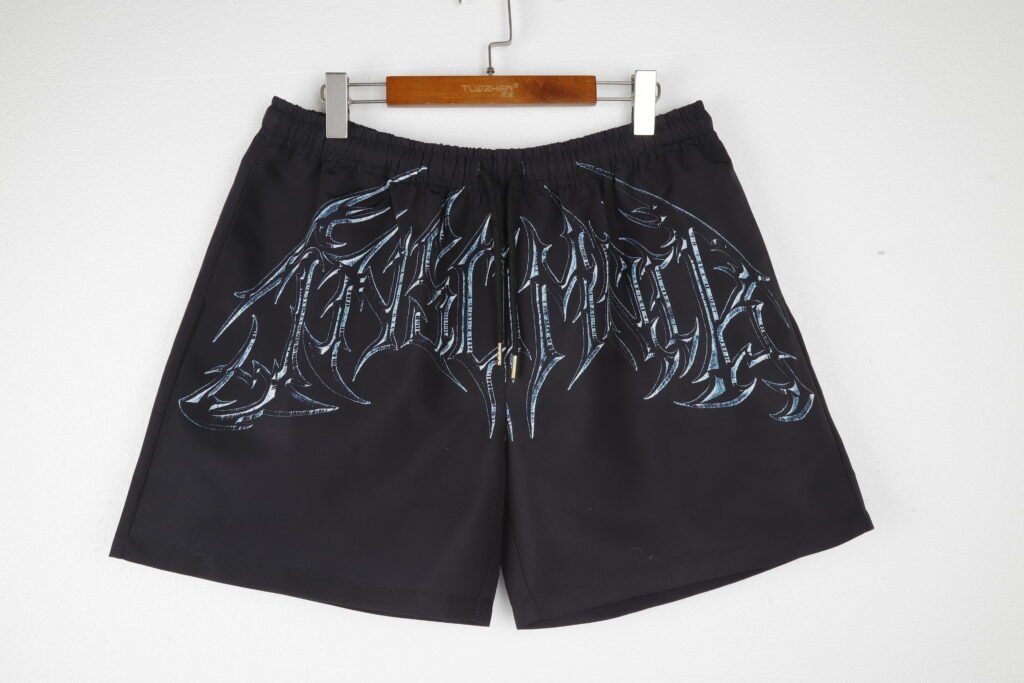
Leading T-shirt Manufacturers – Custom & Wholesale T-shirt Production
Introduction: Beyond the Basics of Custom Apparel Printing
Choosing how to decorate your custom clothing can feel like a task that’s easier said than done. You want something that delivers, doesn’t break the bank, and lasts for ages.
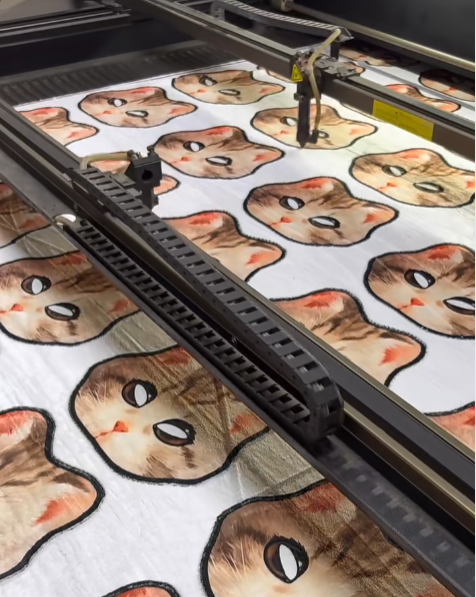
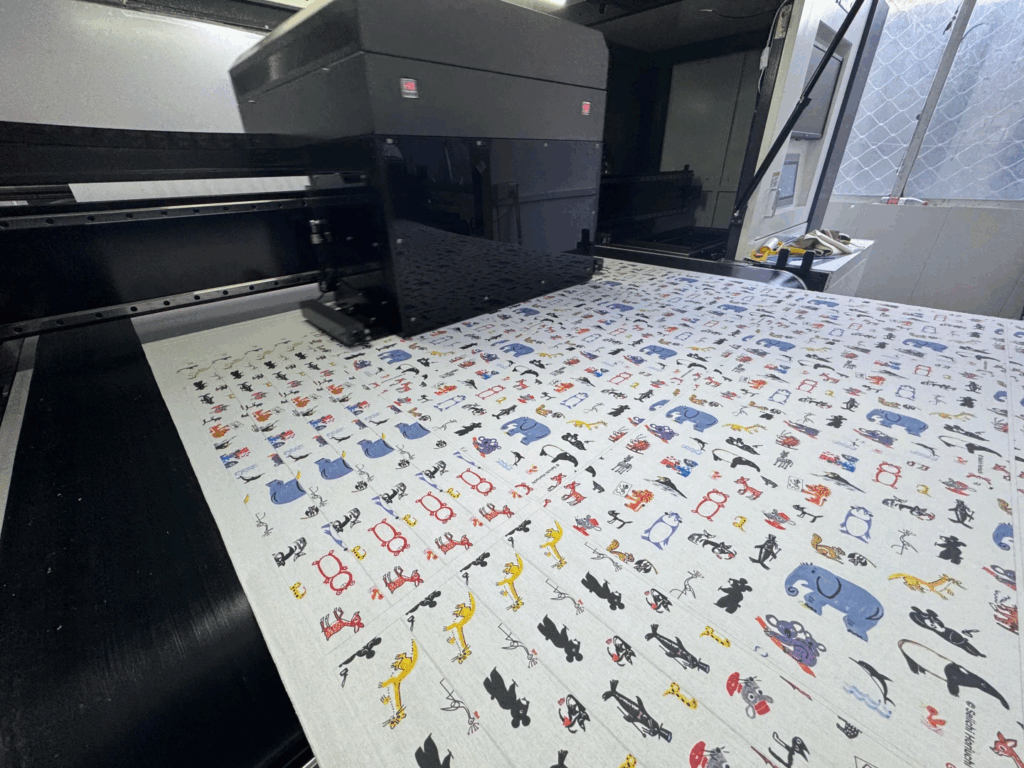
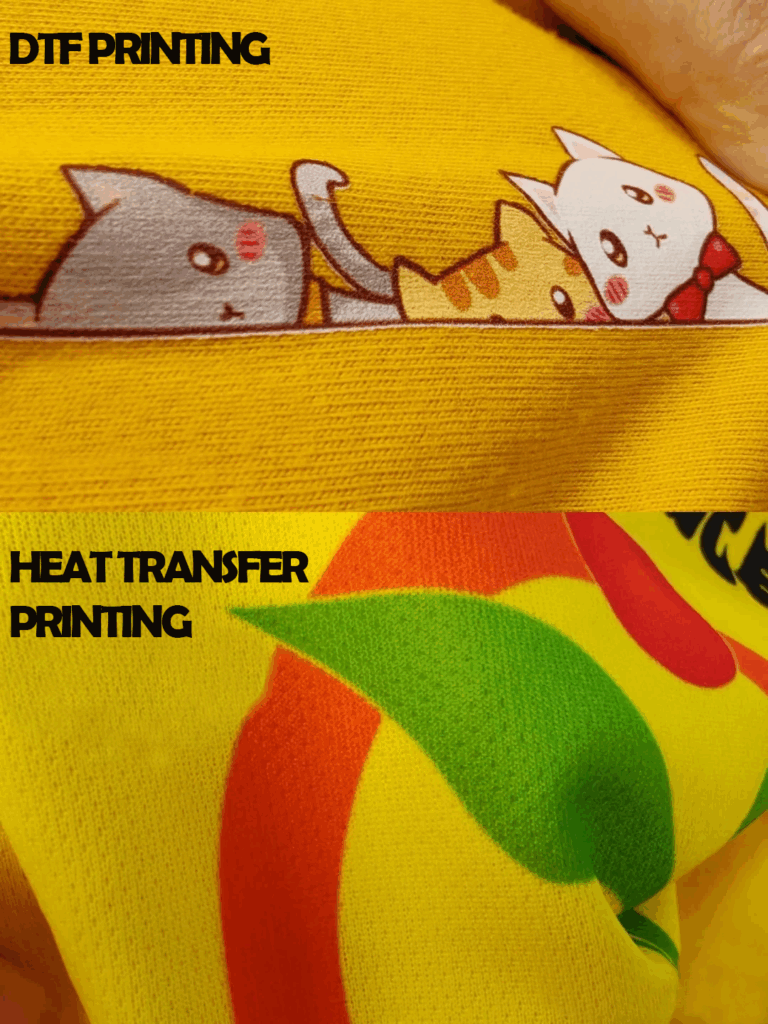
Heat transfer printing transfers a design from a special carrier paper onto clothes by means of precise heat and pressure.
This technique can produce vivid, full-color realistic images and simple, bold logos on various types of fabric. It’s an essential piece of the vogue for modern custom apparel.
After 27 years in the garment business, we know the ins and outs of this process. We know what works and how to achieve a high quality finish that last looks good.
In this explainer, we’ll tell you what we know to help:
- Learn about different types of heat transfers and when to use them.
- See the real good and bad points for your business.
- Pick the right fabrics for perfect, long-lasting results.
- Make smart choices for your next clothing line.

How Heat Transfer Printing Works: A Simple Step-by-Step Process
Understanding how it’s made helps you know what you’re buying. At its heart, heat transfer printing connects digital and physical worlds in three main steps.
This method is a type of a digital printing method that uses special carrier materials to put a pre-printed design on fabric.
Here’s how we turn your digital file into a finished piece of clothing:
- Step 1: Design Creation & Preparation
Your digital work of art is printed on a specialized carrier medium (like transfer paper or clear film). The kind we use depends on which transfer method we select (more on that in a minute). - Step 2: Position
We carefully peel our printing transfer off the sheet and lay it precisely where we want it on the garment. This is very important to make sure everything lines up to your approved design. This is what we call making the “sandwich,” with the clothing on the bottom, the transfer in the middle and aj protective sheet on top. - Step 3: Press
The “sandwich” is fed into a commercial heat press machine. It uses the right amount of heat, pressure and time. The heat causes the sticky layer on the transfer to bond permanently with the fabric fibers. After the press, we remove the carrier, and only leave your design on the garment!


Pro Tip: Tuozhen is ideal for brands seeking reliability, quality, and creativity in clothing printing. Here’s a comprehensive look at why Tuozhen should be your first choice for custom heat transfer printing solutions.


A Practical Comparison of Heat Transfer Methods
The transfer of heat is not always the same. The concept of heat transfer includes various technologies themselves with unique features. It matters what you choose, because it is what will in great part determine the look, feel and durability you will enjoy.
Here are the three most frequently encountered things we do professionally, given hundreds and thousands of production runs.
Feature | Heat Transfer Vinyl (HTV) | Screen Printed (Plastisol) Transfers | Direct-to-Film (DTF) Transfers |
Best For | Names, numbers, simple logos, single-color bold graphics. | 1-3 color bold logos, brand graphics for larger runs. | Photorealistic images, complex multi-color designs, gradients, fine details. |
Fabric Compatibility | Excellent on cotton, polyester, and blends. | Best on cotton and cotton/poly blends. Can be tricky on some synthetics. | Extremely versatile. Works on cotton, polyester, blends, nylon, and more. |
Feel on Garment | A distinct, slightly raised layer. Can be soft but is noticeable. | A soft, flexible layer similar to traditional screen printing. | Very soft, lightweight, and flexible. Blends into the fabric well. |
Durability | Very durable. Withstands 50+ washes if applied correctly. | Highly durable, often outlasting the garment itself. | Excellent durability, flexible, and resistant to cracking. |
Color Vibrancy | Excellent for solid, opaque colors. | Good, solid color matching (Pantone). | Exceptional. Bright, vibrant, and full-spectrum color reproduction. |
Ideal Order Size | 1-50 units. Perfect for one-offs and small, custom orders. | 50-500+ units. Cost-effective when pre-producing one design. | 1-500+ units. The go-to for on-demand, high-detail work. |
Digital techniques, notably DTF, are turning that equation on its head. The offer the flexibility of digital printing with the hardness of transfers. For current trends, this technology gives brands the capability of creating intricate, colorful designs without the high setup costs of traditional screen printing.
Heat Transfer Printing Customization Options for Clothing: For All Your Brand Needs
For apparel brands, we offer a wide range of heat transfer printing solutions tailored to your specific branding requirements. With our advanced transfer films, high-quality inks, expert craftsmanship, personalized labels, and custom packaging options, you can bring your exact design vision to life.
Our goal is to help you create vibrant, durable, and unique prints that truly resonate with your customers and elevate your brand identity. As an experienced clothing printing partner, we provide comprehensive heat transfer customization options to meet all your brand’s specific needs — whether for T-shirts, hoodies, sportswear, or promotional items.

The Pros and Cons of Heat Transfer Printing: An Honest Assessment
Through our 27 years of experience, we’ve learned that heat transfer printing is SO beneficial but it’s not the end all be all. Openness is important for good manufacturing partners. Here’s our honest take.
✔️ Advantages of Heat Transfer Printing
- Exceptional Versatility: Modern transfers, especially DTF, work on many fabrics, including cotton, polyester, blends, and even tough materials like nylon and spandex.
- Perfect for Small & Custom Orders: The setup costs are very low compared to screen printing, making it the most cost-effective choice for small batches, samples, and personalized items.
- High-Detail & Full-Color Capability: DTF transfers allow for lifelike images, tiny details, and unlimited colors without extra setup costs per color. Traditional screen printing can’t do this.
- Clean and Consistent: It’s a controlled, dry process, which gives consistent results from the first garment to the last.
❌ Disadvantages of Heat Transfer Printing
- Feel on Garment: Unlike dye-sublimation (which dyes the fibers), heat transfers create a layer that sits on top of the fabric. While modern transfers feel soft, you can still tell they’re there.
- Durability Depends on Application: A poorly applied transfer will crack, peel, or fade. The quality depends completely on the manufacturer’s equipment, materials, and know-how. This isn’t something you can easily do yourself at a professional level.
Not Always Best for Bulk Orders: While versatile, it can cost more for very large runs of simple designs. For orders over 200-500 units of a 1-2 color logo, traditional screen printing often costs less because it’s faster per piece once set up.
Fabric Guide: Matching Fabrics to Heat Transfers for Perfect Results
The wrong fabric choice can ruin a great design.. We have tested thousands of fabric weights over our 27 years. The quality of a heat transfer also depends on the material’s ability to withstand heat and texture of the surface.
Here’s what we’ve discovered works best when it comes to fabric for heat transfer printing.
Excellent Choices:
- Cotton & Ringspun Cotton: The ideal surface. It stays in place, handles heat well, and gives a great texture for the transfer to stick to. Most t-shirts and hoodies use this.
- Cotton/Polyester Blends (50/50, CVC): These work great. They offer the stability of cotton with the smoothness and durability of polyester, creating a perfect base for almost all transfer types.
- Polyester: Performance wear and modern clothes often use 100% polyester. It works very well, especially with transfers made to stretch a bit.
Use with Care:
- Spandex/Lycra Blends (e.g., 95% Cotton / 5% Spandex): These fabrics stretch. The challenge is making sure the transfer stretches with the fabric and doesn’t crack. We solve this by using special high-stretch transfers and applying them with precise, slightly lower heat settings.
- Nylon (Jackets, Windbreakers): Nylon is sensitive to heat and can easily melt under a standard heat press. We fix this by using special low-temperature adhesives and a very controlled process.
Fabrics to Avoid:
- Heavily Textured Fabrics (Waffle Knits, Coarse Ribbing): An uneven surface stops the transfer from making full contact, causing poor sticking and an incomplete, unprofessional look.
- Delicate & Heat-Sensitive Synthetics: Materials like rayon or certain velvets have low melting points and can be permanently damaged by the heat and pressure needed for a strong bond.

Your Partner in Apparel: 27 Years of Heat Transfer Excellence at Tuozhen Clothing
Knowledge of how to do it is one thing, but producing professional and consistent results comes with experience. At Tuozhen Clothing, we have tailored these decoration techniques for brands around the world for 27 years.
This expertise in heat transfer technology means we’re more than just a company that presses designs onto a shirt. We will look at your artwork and select the most appropriate type of transfer based on your garment, and adapt the temperature etc of our equipment to make your transfer as bright, long lasting and luxurious to touch as possible. This attention to quality is our way that we use our experience to create a better finished product for your brand.
We’re more than just a vendor; we’re your production partner.
Ready to bring your designs to life with expert precision? Let’s talk.
- ● Direct Email: tesla@tuozhenclothing.com
- ● Phone Number: +8613713252727
- ● WhatsApp: +8613713252727
Or visit our website to explore our work: https://custommadejackets.com/

Conclusion: Making the Right Choice for Your Brand
So there you have it, heat transfer printing is impressively flexible, when it comes to smaller to medium numbers of runs, it is cost effective, and with added layering for complex images, the detail is impressive. It has allowed thousands of brands to design high quality and complex garments without having to order crazy amounts of product.
The key take-away, it’s all in the details. Selecting the proper transfer type (HTV, Plastisol or DTF) and matching it with a fabric that is compatible is a critical step you can’t bypass if you want a professional product that will stand the test of time. And that’s where choosing an experienced manufacturer matters.
And whether you’re just getting your first collection into production or are looking for a new garment printing partner for regular orders, a few tips and tricks about your printing options can’t hurt (it will only take a minute). And if you need anything, you can always ask our team for help.

Real feedback from customers all over the world about TUOZHEN Manufacturer.


Communication & Production
How to Start Working with Heat Transfer Printing Manufacturer?
3X
Your order is triple checked by our team prior to production and before shipment
Request a Free Quote & Consultation
Hit us up for a free quote. We’ll discuss your requirements — design, quantity, timing — and put a plan in place that works.
Submit Your Custom Design & Requirements
- Choosing Heat Transfer Printing Material
- Selecting the right Carft for the design
- Payment for samples
- Sample production after determining the color, size, and accessories of the sample
Receive Sample Prototypes for Approval
- Are the fabrics satisfactory?
- Does the craftsmanship live up to the design?
- Are there any changes that need to be made to the colors, sizes, and accessories?
- Details of large orders
Bulk Production & Delivery Process
- Payment of deposit for large orders
- Large Order Production Progress Inquiry
- Final payment upon completion of production
- Choose the right shipping method, pay the shipping fee, ship the goods
FAQ
What is heat transfer printing and how does it work in 2025?
Heat transfer printing is a technique that uses heat and pressure to permanently bond designs from special carrier materials onto fabrics. In 2025, advanced technologies like DTF (Direct-to-Film) transfers offer exceptional detail and durability.
Which fabrics work best with heat transfer printing?
Cotton, cotton/polyester blends, and 100% polyester work excellently with heat transfer printing. Spandex blends and nylon require special techniques, while heavily textured fabrics should be avoided.
What are the advantages of heat transfer printing over other methods?
Heat transfer printing offers exceptional versatility across fabric types, cost-effectiveness for small orders, high-detail capability with full-color options, and consistent results from first to last garment.
How durable are heat transfer prints in 2025?
Modern heat transfers can withstand 50+ washes when properly applied. DTF transfers offer excellent durability and flexibility, often outlasting the garment itself when produced by experienced manufacturers.
What's the difference between HTV, Plastisol transfers, and DTF transfers?
- HTV works best for simple designs and small runs, Plastisol transfers excel for bold logos in medium runs, while DTF transfers deliver photorealistic quality with fine details for any order size—each offering different feels and applications.
Heat Transfer Printing Manufacturer Offer
TuoZhen STREETW Heat Transfer Printing Manufacturer was created to provide helpful service, simple streamlined ordering & eco-friendly options. A company with transparent prices & ethics, a company that aims to create good things.
TuoZhen T shirt Manufacturer Difference
TuoZhen was created, to provide helpful service, simple streamlined ordering & eco-friendly options. A company with transparent prices & ethics, a company who aims to create good things.
Innovative Ideas
TuoZhen is proud to be a leading partner in the promotional products + fashion industry. With unique ideas + out of the box printing methods.
We Stand Behind Our Work
Our main goal is to provide peace of mind so you can relax and have confidence that your job will come out exactly as you had imagined.
Quality Over Quantity
TuoZhen believes in quality over quantity and we want our customers to feel the same way.
Dedicated Reps
Each account receives a dedicated rep who can be reached face to face by phone or via e-mail.
Long Lasting Relationships
We value all of our clients and aim to solidify long lasting & mutually beneficial relationships.